
The boundaries between work and home life are often blurred for parents who work from home, resulting in more stress and less harmony at home. Many parents struggle to maintain clear boundaries between home and work when their workspace is located within the home. As a result, they often face constant interruptions and struggle to fully disconnect from work.
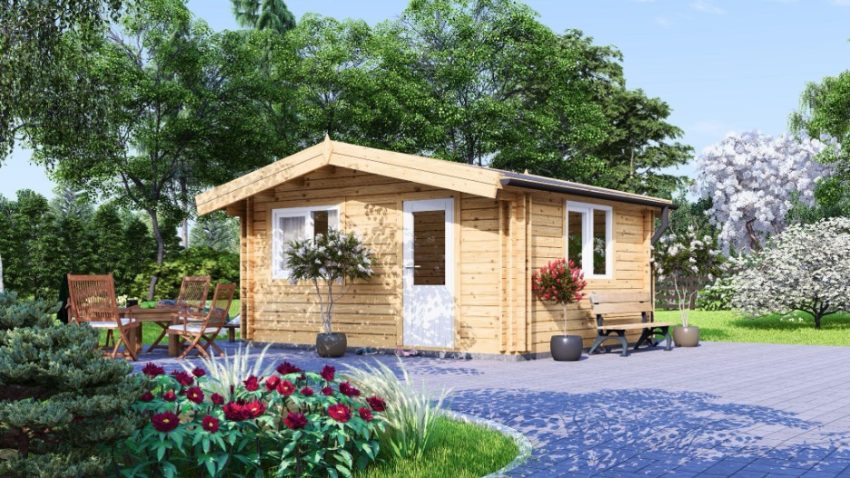
A garden office provides a dedicated, physically separate workspace that fundamentally redefines these boundaries. This external structure creates a clear division between work and home, allowing for a more structured daily routine that benefits both parents and children.
The Psychological Impact: How Physical Distance Creates Mental Clarity
Physical separation from the main house fosters psychological detachment from work, a critical factor for mental well-being. Better psychological detachment from work is associated with improved well-being, lower anxiety, and higher life satisfaction.
● It establishes a clear mental switch, similar to a traditional commute, but condensed.
● It reduces guilt and interruption anxiety for parents, knowing work is in a designated location.
● It helps children understand and respect work boundaries more effectively.
Morning Routines: From Chaos to Calm
A garden office transforms chaotic mornings into calm, structured beginnings. Before, a visible laptop at the kitchen table often signaled parental availability, leading to children seeking attention during critical work preparation.
With a garden office, dedicated family time occurs without the omnipresent work device. Parents can engage fully with breakfast and school preparations, then physically transition to their workspace. This creates a “closed door” signal that children learn to recognize as a work period, fostering independence and reducing friction.
Midday Balance: Lunch Breaks That Actually Refresh
Garden offices allow for authentic lunch breaks without the usual workspace distractions in your home. After work hours, remote workers often find it difficult to switch off.
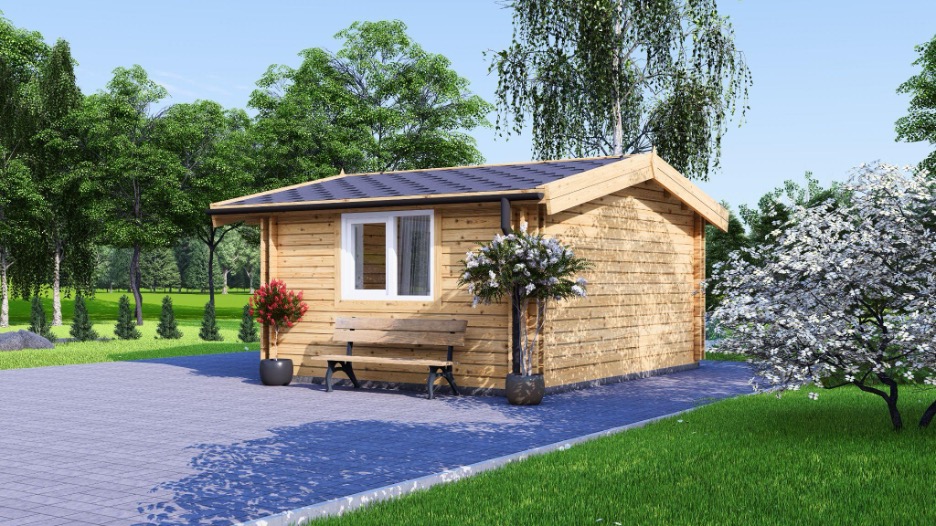
The short walk between the garden office and the main house acts as a micro-commute, helping to create a clear mental transition. It helps shift your mindset from ‘work mode’ to ‘home mode’. This allows parents to be fully present for family lunch and return to work refreshed, without the distraction of unfinished tasks lingering in the home. This physical break promotes psychological detachment, which supports recovery and helps reduce stress.
After-School Hours: Being Present When It Matters
The 3-6 pm period can be particularly challenging for parents working from home, as they often have to balance work demands with their children’s needs. A garden office creates a clear signal that the working day has ended, which children can easily understand.
Returning from the garden office at 5 pm signals the start of dedicated family time. This arrangement avoids situations where a laptop on the kitchen table during homework time competes with children for their parents’ attention.
Evening Reclaim: Protecting Family Time and Sleep
Evening work creep is a significant issue for remote workers, with many finding it difficult to disconnect at the end of the day. A garden office inherently combats this “infinite workday” pattern.
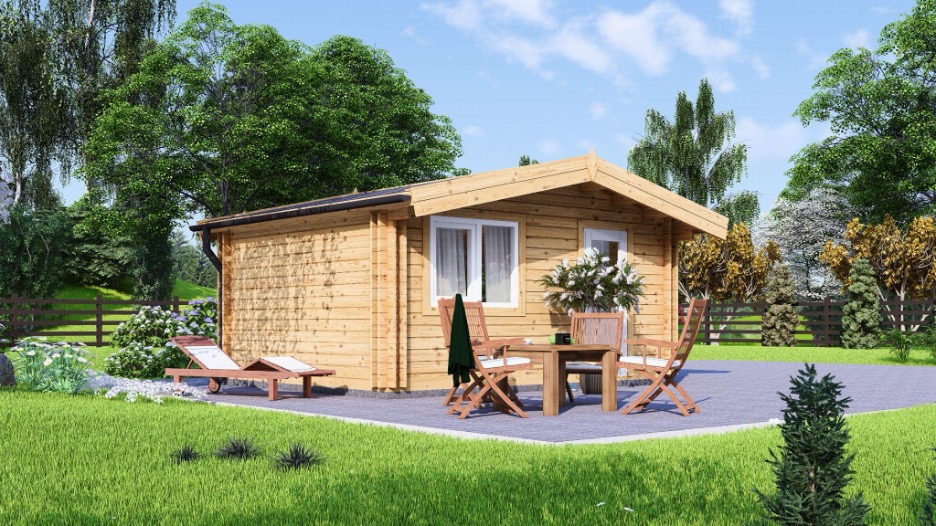
When work lives in a separate building, the physical act of leaving it behind makes it harder to fall into the “just one more email” trap. This physical separation helps reduce evening work creep, protecting precious family time and improving sleep quality. Partner relationships also benefit when work no longer sleeps in the bedroom, fostering a greater sense of shared presence.
The Comparison: Garden Office vs. Spare Room Conversion
While converting a spare room might seem like a simpler solution, it often fails to eliminate the boundary problems that a garden office solves. The proximity of the spare room to the main living areas maintains a permeable boundary, making it harder to psychologically detach from work and prevent interruptions.
A garden office, by contrast, establishes a truly distinct work zone. This external separation allows for true work-life balance. The cost-benefit analysis extends beyond mere finances to include reduced family stress, improved productivity, and the elimination of common household conflicts like simultaneous video calls.
Conclusion
A garden office is an investment in family well-being, stronger relationships, and improved work-life balance, as well as additional living space. A physically separate workspace helps parents establish boundaries that children can understand and respect. This can significantly transform a family’s daily routine.
Creating separate family, transition, and work zones through a garden office helps reduce interruptions and increases the amount of quality time families spend together. By improving both productivity and family relationships, a garden office can be an effective solution for remote-working parents seeking a healthier work-life balance.