
There’s a difference between a home that looks good in photos and one that actually works for real family life.
Shoes get kicked off in the hallway. Drinks get knocked over. Pets race through the house like it’s a racetrack. And somehow, every surface becomes a landing zone for something.
The real test of a family home isn’t how it looks on day one. It’s how it performs after months, even years, of daily chaos.
So what actually holds up?
Flooring That Can Take a Hit (and Keep Going)
If there’s one surface that takes the most wear, it’s the floor.
Between muddy footprints, dropped toys, and constant foot traffic, flooring needs to be more than just visually appealing. It needs to be resilient. Materials like natural stone tend to stand up well in busy households because they don’t scratch or wear in the same way softer surfaces do.
They also don’t demand constant upkeep. A quick clean is usually enough to bring them back to life, which matters when you’re dealing with everyday mess rather than showroom conditions.
That’s why many families lean towards options from specialists like Quorn Stone, where durability and timeless design go hand in hand. It’s about choosing something that doesn’t just survive family life, but still looks good doing it.
Storage That’s Actually Within Reach
Storage is often talked about, but not always designed for real use.
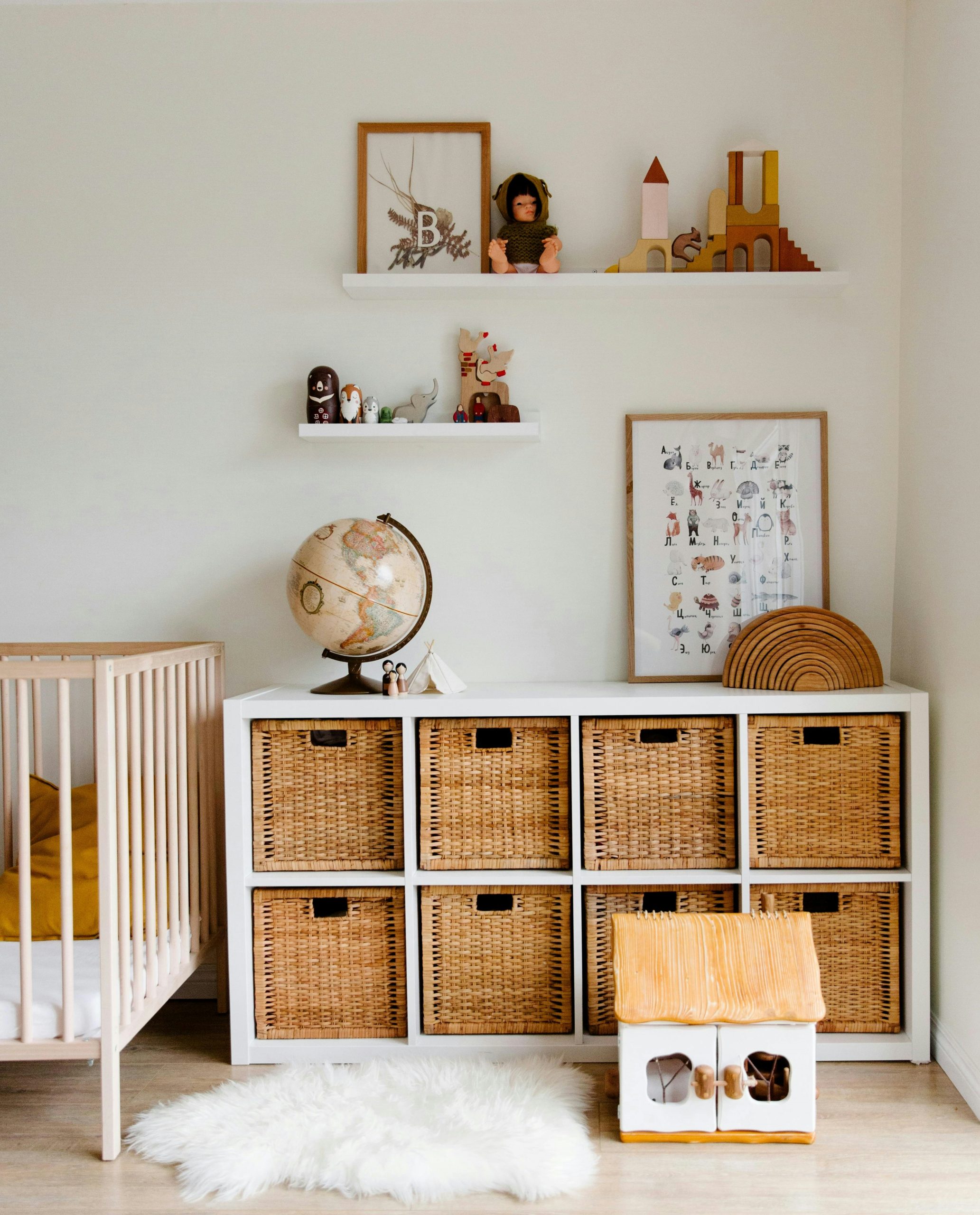
In a family home, it’s not enough to have storage tucked away neatly behind closed doors. It needs to be accessible, practical, and quick to use. Think low-level baskets for shoes, easy-to-reach cupboards, and spaces that don’t require a full reorganisation every time something is put away.
If storage feels like effort, it won’t get used. And clutter builds fast.
Surfaces That Don’t Show Everything
Glossy finishes and delicate materials might look impressive, but they rarely survive the realities of daily life.
Fingerprints, smudges, crumbs, and marks show up instantly on high-shine surfaces. In contrast, matte finishes and textured materials are far more forgiving. They soften the appearance of wear and reduce the pressure to keep everything spotless at all times.
This is one of those subtle details that can completely change how manageable a home feels.
Layouts That Allow Movement, Not Obstruction
Family homes aren’t static. People are constantly moving through them.
A layout that works well on paper can quickly become frustrating if it doesn’t allow for natural movement. Narrow walkways, awkward furniture placement, or blocked pathways can make everyday routines feel harder than they need to be.
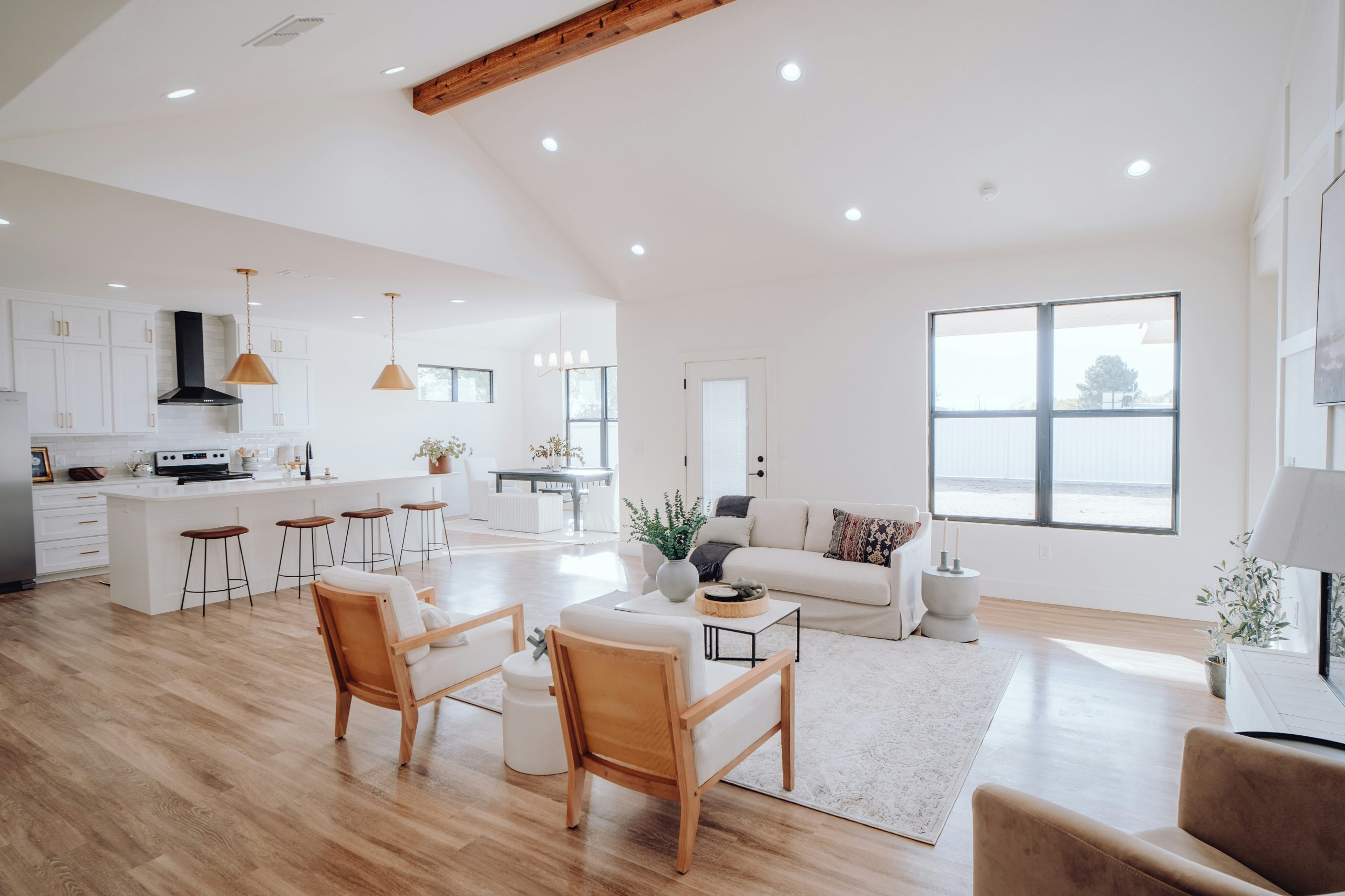
Open, flexible layouts tend to perform better because they adapt to changing needs, whether that’s children playing, guests visiting, or simply moving through the house without obstacles.
Furniture That’s Meant to Be Used
Some furniture is designed to be admired. Other pieces are designed to be lived with.
In a busy home, comfort and durability matter more than perfection. Sofas that can handle spills, tables that don’t show every mark, and chairs that can be used without worry all contribute to a more relaxed environment.
When furniture feels too precious, it creates tension. When it’s built for real use, it removes it.
Materials That Improve Over Time
One of the biggest differences between short-term design choices and long-term ones is how they age.
Some materials deteriorate quickly, showing every scratch, dent, or stain. Others develop character. Natural materials like stone and wood often fall into the second category, gaining a lived-in quality that adds to the home rather than detracts from it.
This shift in mindset, from preserving perfection to embracing longevity, can make a home feel far more comfortable and authentic.
Easy-to-Maintain Finishes
No one wants to spend hours maintaining their home every week.
The most successful family spaces are the ones that are easy to clean and maintain without constant effort. Surfaces that wipe clean, finishes that don’t require specialist care, and materials that hold up without regular treatment all make a difference.
When maintenance is simple, it becomes sustainable.
The Real Measure of a Home
A well-designed family home isn’t one that avoids mess or chaos. It’s one that handles it.
It’s the floor that doesn’t show every mark. The storage that actually gets used. The layout that supports movement instead of restricting it. The materials that look better with time, not worse.
These are the details that pass the real-life test.
Because at the end of the day, the best homes aren’t the ones that stay perfect. They’re the ones that keep working, no matter what daily life throws at them.