
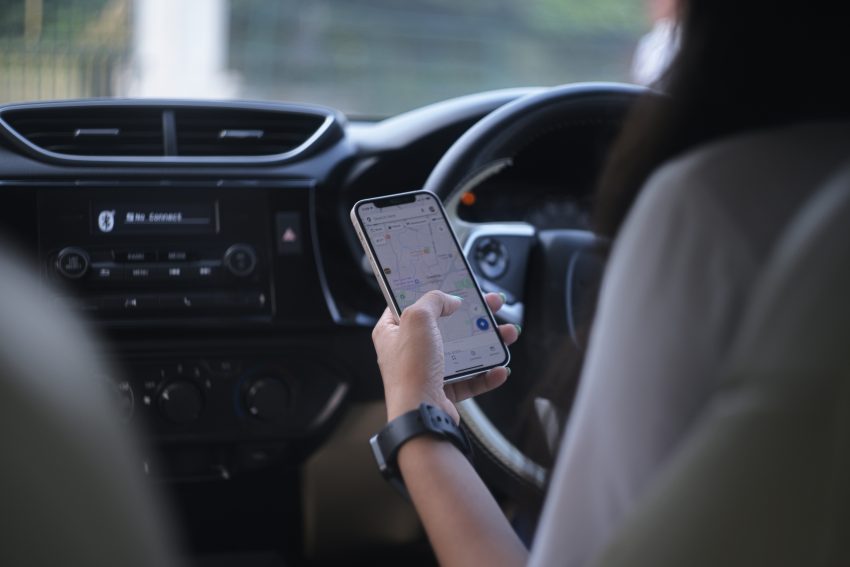
If you’re looking to go away in the near future, then you might think nothing of taking a digital device with you. Reliable access to the internet has made certain aspects of travel considerably more convenient. You can look up directions on your phone, keep track of flight delays, and even get some work done while you’re away.
But if you’re seeking to use digital devices while you’re on the road, then you’ll want to think about taking a few basic precautions. Let’s consider what the more effective ones might be.
Update, Back Up and Lock Down Before You Leave
First, let’s consider the measures you might take before you head out. Essential software should be updated, so that security problems can be patched. You might also review the security settings on your device, and back up essential files.
It can be useful to imagine what you’ll do if your laptop is lost or stolen. How are you going to get your essential data back, and how are you going to prevent other people from accessing it? Once you know the answers to these questions, you’ll be in a better position to deal with problems on the road.
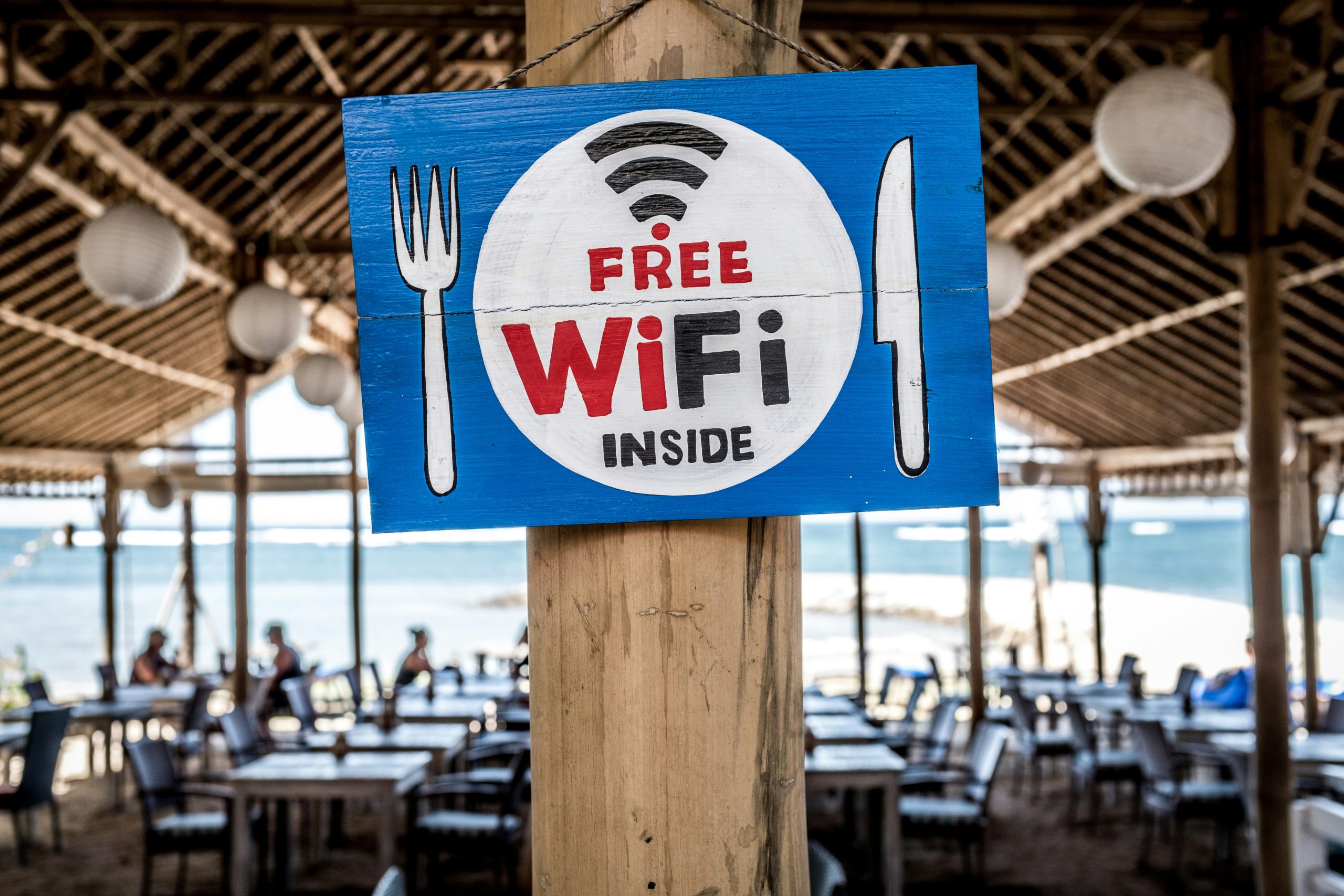
Use Public Wi‑Fi Carefully and Secure Your Connection
The world is filled with Wi-Fi networks. In many cases, you can make life considerably more convenient by jumping on them. Cafes, airports, and hotels might all offer this kind of service.
But there’s reason to be cautious here. Malicious actors can lurk on these networks and intercept the data of unsuspecting travellers. You might avoid this problem by simply sticking to the cellular network, or you might install specialised software that will encrypt your data whilst it’s in transit. A simple VPN download might be a practical, straightforward way to make your online life more secure.
Strengthen Account Security with MFA
We should also consider the way that you’re authenticating yourself when you’re dealing with your devices, or online accounts. Multi-factor authentication is always more secure than a simple password – though it’s not completely invulnerable to attack. If you’re dealing with a critical, valuable system, you might want to educate yourself on the low- risk threats, too.
Above all, try not to use passwords that have been recycled. The risk of compromise is greater when you’re logging on through an unfamiliar network, or you’ve been spotted by a shoulder-surfer.
Think Before You Click, Connect or Share
Certain aspects of online life can make things more convenient when you’re on the move. You might leave your Bluetooth on, or allow your devices to connect automatically to new networks, or scan an unfamiliar QR code. If you want to protect yourself, you’ll need to exercise a little good judgment before you take these risks!