
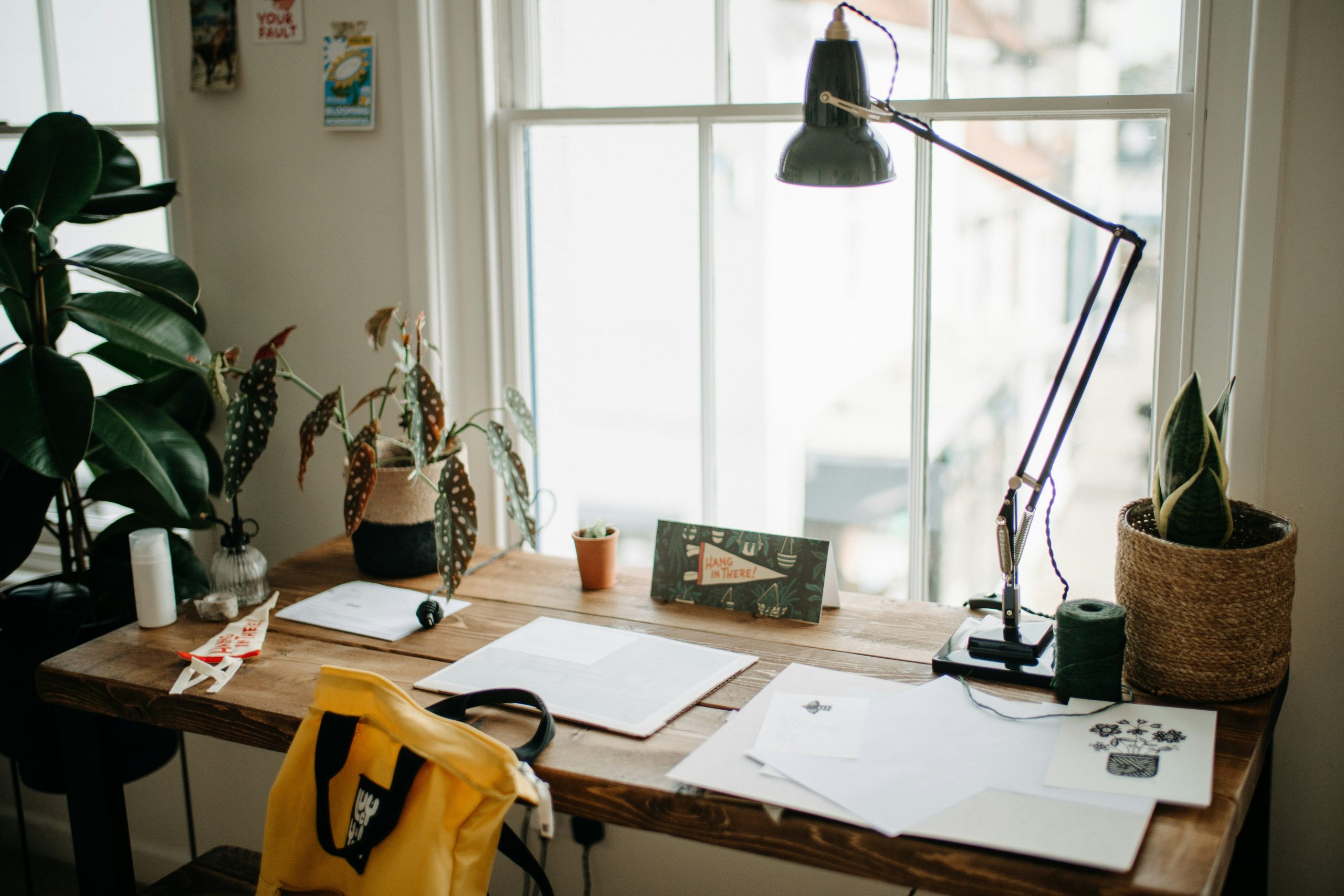
The way people use their homes has changed dramatically over the past few years. Rooms once designed purely for relaxation, dining, or occasional hobbies are now expected to support work, study, entertainment, and family organization all at once. Kitchen tables have doubled as desks, spare bedrooms have become hybrid offices, and quiet corners of the home have transformed into full-time working environments.
As remote and flexible work continue shaping modern routines, families are paying far closer attention to how their home environments affect comfort, productivity, and overall wellbeing. Functionality is no longer the only priority. More people now want workspaces that feel visually calm, physically supportive, and naturally integrated into the style of the home itself. This shift has pushed home office design into an entirely new category of family living.
Homes Are Now Expected to Support Multiple Roles
One of the biggest lifestyle changes in recent years has been the blending of professional and personal environments. For many households, work is no longer confined to a separate office building. Parents may spend hours attending video meetings while children complete homework nearby, all within the same shared living space.
Because of this, many homeowners are rethinking how rooms are arranged and furnished. Instead of temporary solutions, people increasingly want spaces that feel sustainable for long-term daily use. Comfort, storage, lighting, and posture support are becoming just as important as visual appearance.
Many people upgrading their home workspaces now look at options from ChairOffice when searching for furniture that feels comfortable, supportive, and practical for everyday use. As more families spend long hours working, studying, or managing daily tasks from home, there is growing interest in office furniture that offers better comfort, stronger support, and a more reliable long-term setup.
This shift reflects a broader change in how people think about their homes. Comfortable workspaces are no longer seen as purely professional additions. They are becoming an important part of creating a healthier, calmer, and more functional living environment overall.
Stylish Workspaces Are Replacing Temporary Setups
During the early stages of remote work adoption, many people relied on improvised solutions. Dining chairs, coffee tables, and cramped spare corners became temporary offices out of necessity. Over time, however, those short-term arrangements began creating frustration and physical discomfort.
Today, there is far more emphasis on designing workspaces that feel intentional and visually cohesive. Homeowners increasingly want office areas that match the overall aesthetic of the home rather than looking disconnected from surrounding living spaces.
This has encouraged a rise in softer interior styles that blend practicality with comfort. Natural wood finishes, warm lighting, textured fabrics, calming color palettes, and minimalist layouts are becoming especially popular in modern home office design. Many families also prefer furniture that can transition easily between different purposes throughout the day. A workspace may function as an office in the morning, a homework station in the afternoon, and a family planning area by evening. Flexibility has become one of the most valuable qualities in modern home interiors.
Comfortable Seating Is Receiving More Attention
One of the most noticeable shifts involves how seriously people now take seating comfort. Long hours spent sitting at unsuitable desks or unsupported chairs have caused many remote workers to experience increased neck strain, shoulder tension, lower back discomfort, and physical fatigue.
As awareness around posture and workspace ergonomics continues growing, supportive seating has become a far bigger priority within home office design conversations.
Awareness Around Posture and Workspace Comfort Continues Growing
Many people only began paying close attention to posture after spending prolonged periods working from home. Physical discomfort quickly became one of the most common complaints among remote workers who were using dining chairs, sofas, or unsuitable furniture for extended daily use.
Health and workplace experts continue encouraging people to pay greater attention to movement, posture, and ergonomic support while working at desks for long periods. According to the UK Health Security Agency, long periods of inactivity and poor workstation habits can contribute to physical discomfort, fatigue, and musculoskeletal strain if healthier movement and seating habits are not maintained throughout the day.
This growing awareness has contributed to rising interest in furniture specifically designed to support healthier working habits at home. Comfortable workspaces are increasingly viewed as part of long-term wellbeing rather than simply a professional necessity. For many families, improving workspace comfort has become closely connected to creating a healthier and more balanced home environment overall.
Storage and Organization Are Becoming More Important
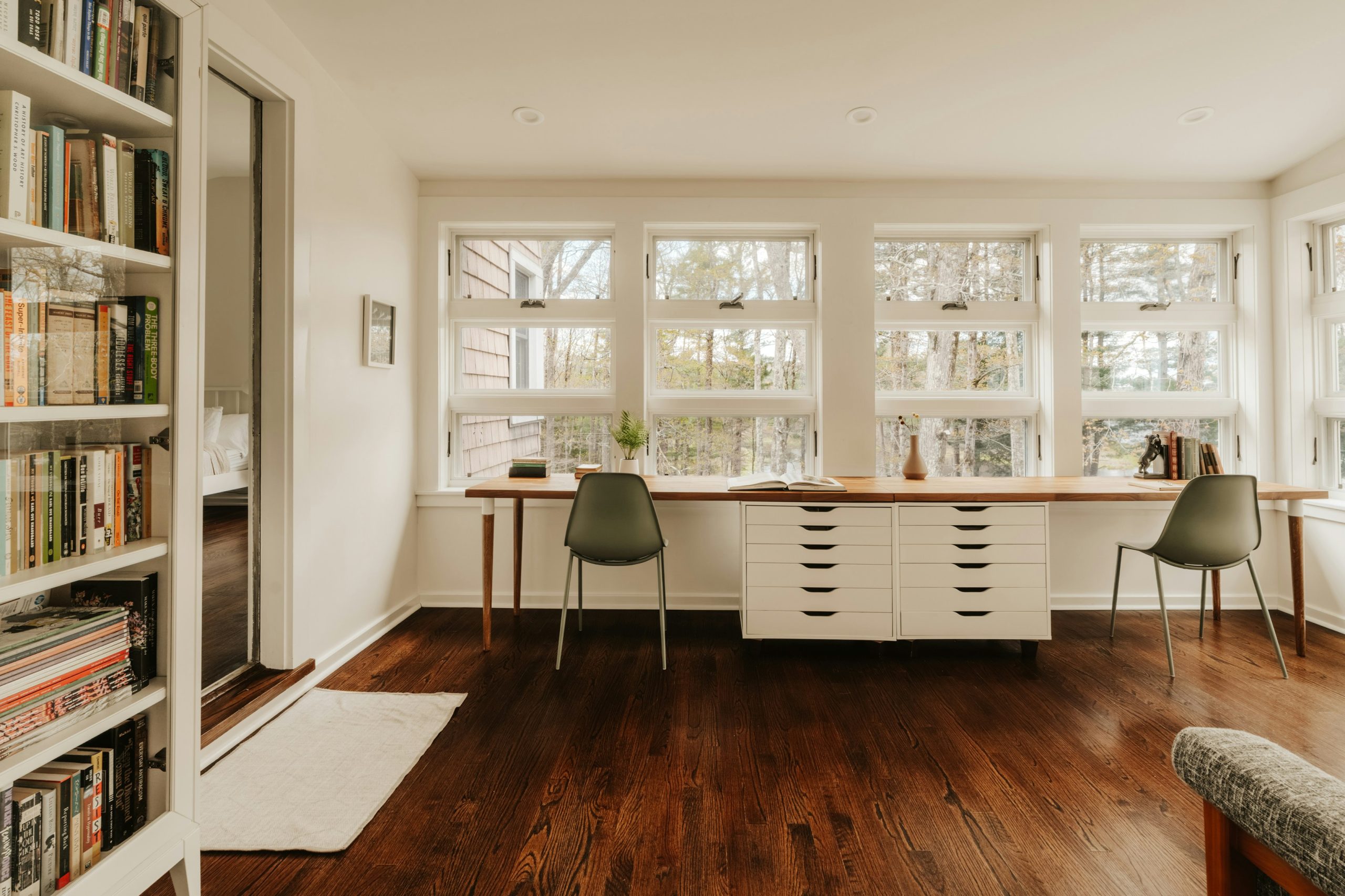
As home offices become permanent fixtures within family homes, clutter management has also become a growing priority. Shared living spaces can quickly feel chaotic when paperwork, devices, chargers, notebooks, and work equipment spread across multiple rooms. This has led many homeowners to focus more heavily on smart storage solutions that help maintain a sense of calm and organization throughout the home.
Shelving systems, hidden storage compartments, compact filing units, cable management solutions, and multi-functional furniture are becoming increasingly popular because they allow workspaces to remain tidy without dominating the room visually.
Families are also becoming more selective about workspace placement. Quiet corners with natural light, underused alcoves, and carefully designed multi-purpose rooms are often preferred over highly visible areas that create constant visual reminders of work-related stress. The overall goal is increasingly about balance rather than productivity alone.
Lighting and Atmosphere Influence Productivity
Lighting has also become one of the most discussed elements of home office design. Many people now recognize how strongly lighting conditions affect concentration, energy levels, mood, and visual comfort during long working hours. Natural light remains one of the most desired features within modern workspace layouts. Large windows, softer ambient lighting, adjustable desk lamps, and warm tones are often used to create spaces that feel more welcoming and less clinical.
This reflects a broader shift in how people think about work itself. Instead of separating productivity from comfort, many families now view emotional wellbeing and physical comfort as important parts of maintaining sustainable routines at home. Small environmental details often make a major difference over time.
The Home Office Is Becoming Part of Lifestyle Design
Perhaps the most interesting change is that home workspaces are no longer viewed as isolated office zones. They are becoming integrated parts of broader lifestyle design. People increasingly want homes that support flexibility, comfort, and wellbeing across multiple aspects of life simultaneously. Workspaces are expected to feel calm enough for concentration while still blending naturally into family living environments.
This explains why so many homeowners are investing more thoughtfully in workspace furniture, layout planning, lighting, and long-term comfort. A well-designed office no longer feels like a luxury reserved for corporate professionals. It has become part of creating a more practical and supportive home environment overall.
As remote work continues evolving, home offices will likely keep becoming more personalized, more design-conscious, and more deeply connected to everyday wellbeing. For many families, the future of home design is no longer about separating work from life completely. It is about creating spaces capable of supporting both comfortably at the same time.


Our home office also doubles up as an art studio, Gym & Spare room – We kind of have it set up in Zones & works. Thankfully, it’s a large space, but clever design is definitely needed!
Kay | http://www.mummyburgess.co.uk
I need to take up some space in my home and make a suitable work space. I have the worst back from using a dining room chair , it definitely isn’t ideal!