
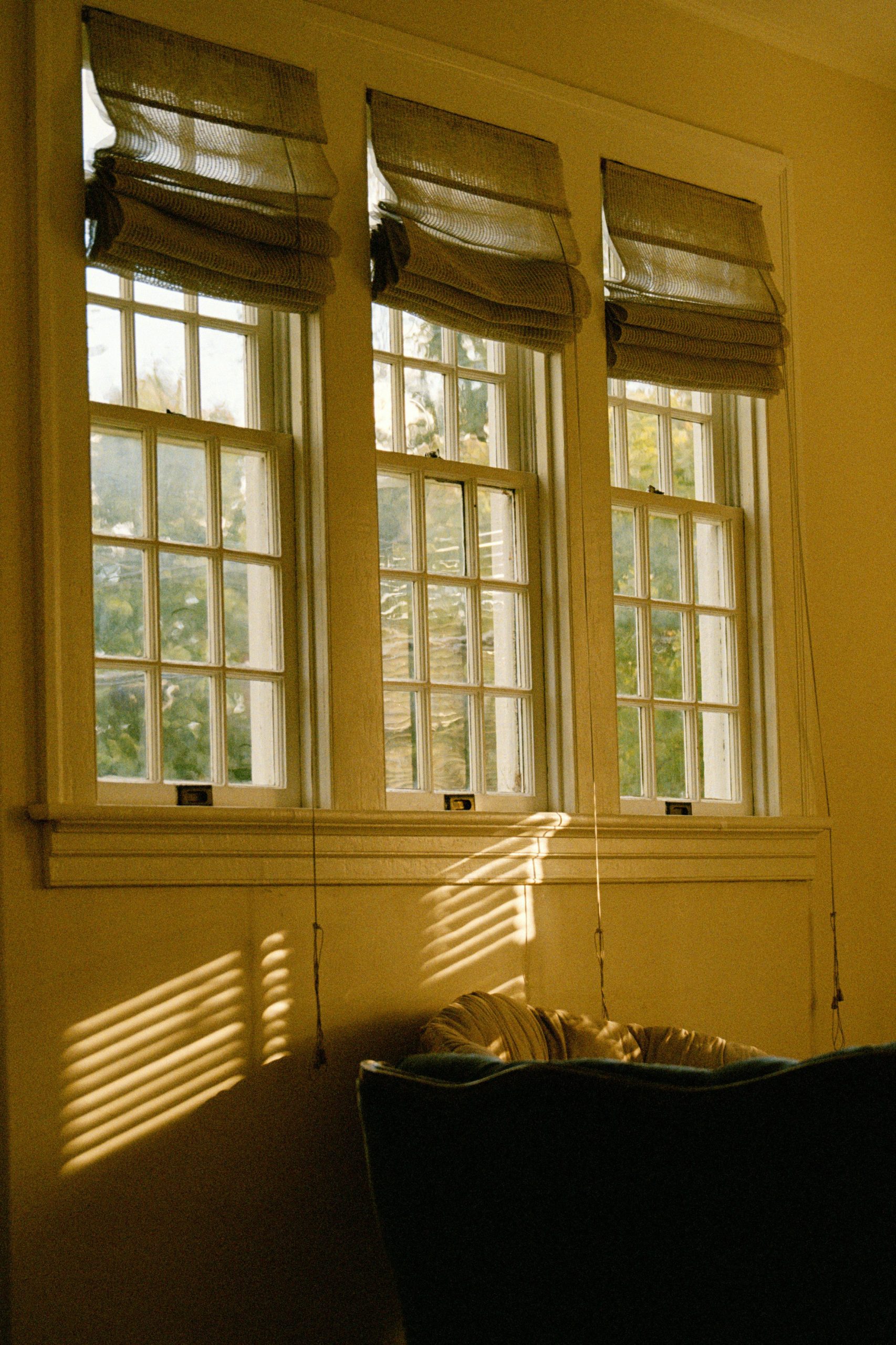
British winters find the tiniest crack and make the house feel as if the North Sea is moving in. Draughty sashes whistle, meeting rails scarcely meet, and single panes mist up the moment the kettle boils. By dawn the cill looks tearful, the paint is sulking and the boiler has been tap dancing all night.
Comfort leaks at the usual suspects. Staff and parting beads have loosened with age, pulley apertures behave like tiny megaphones and the frame to masonry joint has lost its pliable seal. Putty has cracked, gaskets have flattened and the odd distorted sash leaves a gap that could host a very thin mouse.
Comfort Goals You Can Actually Reach
The target is simple and very achievable. Bedrooms that feel quiet at pillow height, a steady temperature without the chilly tickle across your ankles and glass that wakes up clear rather than weepy. Humidity sits in a sensible middle so bedding smells fresh and timber stays cheerful.
Performance follows craft, not hype. Tightened air paths bring down infiltration, secondary or slimline glazing gives realistic improvements in U value and noise, and the house keeps its period face. The best part is that most of the work is reversible and friendly to conservation rules and rental agreements.
Quick diagnostics you can do tonight
Start with sound because sleep cares about decibels. Use a simple phone app to log a reading at bedtime and again before dawn, then listen for where the rumble actually sneaks in. A smoking incense stick will betray leaks around beads, rails, pulleys and the perimeter, and a cheap hygrometer will show how lively the moisture gets overnight. An infrared spot thermometer on the coldest corner of the pane will tell you why the glass cries while you do not.
If you would like a sanity check before buying any bits, browse options and get a professional opinion. Finding a good local expert is key; a reputable London sash window specialist, for instance, could confirm your plan in minutes over the phone. A short conversation can save you from ordering the wrong seals and teaches you the names of the fiddly pieces you are about to charm back into shape. The result is confidence and fewer parcels to return.
Fast airtightness gains
Foam tape is a great measuring stick rather than a final fix. Trial a small strip at the meeting rails to learn what thickness closes the gap without bullying the timber, then graduate to proper brush seals set into new staff and parting beads. Align the catch and keep so the rails press evenly, which removes the micro whistle that makes a bus sound like a brass band.
Pulley openings are tiny but mighty. A neat brush grommet or a felt patch over the aperture calms the last hiss without stopping the sash from breathing gently. Perimeter gaps around the frame respond well to a breathable caulk that moves with the seasons and does not trap moisture in the brickwork.
Smooth operation for quieter nights
Sashes love balance more than a yoga teacher. Fresh cords on checked pulleys and the right counterweights help both sashes sit true, which lets seals meet properly and rattles retire. Ease any paint build up that glues the meeting points together and replace tired lifts or catches so closing feels like a handshake rather than an arm wrestle.
Once movement is smooth, noise falls and heat stays. The window behaves like a well tuned instrument rather than a percussion section, and you can finally hear yourself think while making tea. Small mechanical kindnesses deliver big comfort.
Glazing that keeps your originals
If your glass has beautiful waviness, keep it where you can. Re bed with linseed putty or a compatible glazing compound and you maintain weathering while respecting the look. Where you need more thermal help or a quieter nursery, consider a removable secondary pane with a generous air gap and a tight perimeter.
Slimline double units can be excellent when the sash sections allow it. Check rail thickness, rebate depth and the extra weight so the counterbalance still works. Choose a warm edge spacer and a discreet sightline so the window reads as authentic from the pavement and still feels modern from the duvet.
Perimeter and junctions that behave
The joint between timber and masonry is where many good intentions go to fail. Use a flexible, vapour open sealant that keeps a weather tight line but still lets the wall and frame breathe. Clear weep paths and fix any water traps so the edge of the glass does not chill itself into another morning sulk.
A tidy frame is a warm frame. Clean the bed where the bead sits, prime bare timber with the correct system and give coats time to cure. Paint films that can shed moisture last longer and repay the patience every winter.
Layers that warm and hush
Curtains are more than decoration when they are trained properly. A ceiling fixed track brings fabric right up to the plaster, side returns hug the wall and thermal interlining stops sneaky draughts from slipping behind the folds. Pair this with a close fitting blind at the window line and the two layers work together like a cosy duet.
Interior shutters and cellular blinds are excellent night time companions. They slow the heat leaving the room, help equalise pane temperatures and make the space feel calm. Laminated inner panes or a well sealed secondary unit add acoustic mass without turning the frame into a bodybuilder.
Ventilation without the puddles
Air needs manners. Set trickle vents to a gentle open through the night so relative humidity stays in the safe band while your seals handle the airtightness work. Give the kitchen and bath a short purge in the evening and close bedroom doors if the landing is steamy so damp air does not wander where the glass is coldest.
For very wet months a compact, quiet desiccant dehumidifier can be a hero. Run it on a timer and you will see the hygrometer sit happily in the middle rather than yo yo up and down. Clear morning glass is the thank you note.
Safety, permissions and common sense
Most of these upgrades are reversible which keeps conservation officers relaxed and landlords cheerful. Keep escape windows operable after any secondary layer and add child safe restrictors where small people like to explore. Near doors and low cills remember the rules for safety glazing so you have comfort and peace of mind in one go.
Old paint can hide surprises. Work neatly, use protective gear and contain dust so bedrooms return to being bedrooms instead of workshops. Your lungs and your laundry will both be grateful.
Costs, payback and avoiding pitfalls
Draught proofing with brush seals is usually far cheaper than replacement and gives quick wins on comfort. Re cording and hardware refresh sit in the modest category and secondary glazing can be staged room by room to suit real life budgets. The savings then roll through the season as the boiler stops working overtime and the thermostat stops glaring at you.
Avoid over sealing without a plan for fresh air because that invites condensation even faster than a hot bath. Do not block drainage with the wrong mastic or under weight sashes after glazing changes. Heavy curtains that bridge radiators cool the pane and undo the good work, so give the heat a clear path.
Mini case snapshots
A Belfast terrace bedroom took brush seals, a simple lift out secondary panel and fresh cords. The rumble of late buses softened, the glass cleared and bedtime complaints dropped to almost zero. The only real downside was running out of excuses for the laundry pile.
An Edwardian semi lounge swapped inner panes for laminated glass, sorted the perimeter seal and moved curtains to a ceiling track with tidy side returns. The room now holds warmth, the television volume came down a notch and the dog stopped barking at passing scooters. Guests notice the calm before they notice the biscuits.
One night routine for instant gains
Ten minute purge in kitchen and bath, trickle vents set gently open, curtains closed only after the glass is dry. With a handful of small adjustments that respect the originals, a draughty house becomes a comfortable one and the energy bills stop trying to win awards. You keep the character that drew you in, you sleep better and the windows finally behave like part of the family rather than stubborn housemates.