DIY book nooks have become a favorite project for hobbyists who enjoy miniature design, creativity, and hands-on craftsmanship. These small diorama-style scenes, designed to fit between books on a shelf, combine elements of model building, painting, and lighting. While building a book nook can be highly rewarding, it is also easy to make mistakes along the way that affect the final result.
Understanding common pitfalls can help both beginners and experienced builders avoid frustration, save time, and achieve a more polished finished piece. The following sections highlight typical errors that occur in DIY book nook projects and offer guidance on how to prevent them.
Rushing the Planning Stage
One of the most frequent mistakes is starting construction without a clear plan. Successful book nooks often begin with a well-thought-out design, including the scene’s layout, dimensions, color scheme, and lighting placement.
Skipping the planning stage can lead to:
- Misaligned components that don’t fit properly
- Insufficient space for lighting or electrical elements
- A cluttered or uneven appearance
Hobbyists who use detailed wooden book nook sets benefit from pre-cut pieces and instructions, but even then, taking time to review the plan ensures smoother assembly. Planning also helps decide how layers will be arranged, which materials to use, and where to place miniature details for maximum visual impact.
Neglecting Proper Measurements
Accuracy in measurement is crucial for DIY book nooks. Even small discrepancies can result in pieces that do not fit together correctly or an overall scene that looks disproportionate.
Common issues include:
- Incorrect spacing between layers of scenery
- Misaligned walls, doors, or windows
- Uneven height or depth of shelves inside the nook
Measuring twice before cutting or assembling components can prevent mistakes. Using a ruler or caliper to confirm dimensions ensures that each element fits precisely within the intended space. Accuracy also matters for lighting installation, as wires and LED strips must fit neatly without interfering with other pieces.
Overcomplicating the Scene
Another mistake is adding too many elements to a small space. While it can be tempting to include multiple miniature objects, excessive details may overwhelm the scene and reduce the overall visual impact.
Problems caused by overcomplication include:
- Crowded layouts where individual details are hard to see
- Difficulty arranging components in a limited space
- Increased risk of damaging delicate elements during assembly
Focusing on a few key features or focal points often produces a more aesthetically pleasing result. Using layers effectively and allowing negative space can help maintain depth and visual clarity.
Poor Lighting Placement
Lighting is one of the most impactful aspects of a book nook, but incorrect placement is a common issue. Poorly positioned lights may create shadows, glare, or uneven illumination, which can detract from the miniature scene.
Typical mistakes include:
- Installing LEDs too close to walls, creating harsh shadows
- Using overly bright lights that overpower the miniature details
- Placing wires where they are visible or interfere with the scene
Planning lighting before assembly and testing it throughout the building process helps avoid these problems. Many DIY kits provide recommendations for LED placement, which can guide hobbyists in achieving balanced illumination.
Skipping Drying and Curing Time
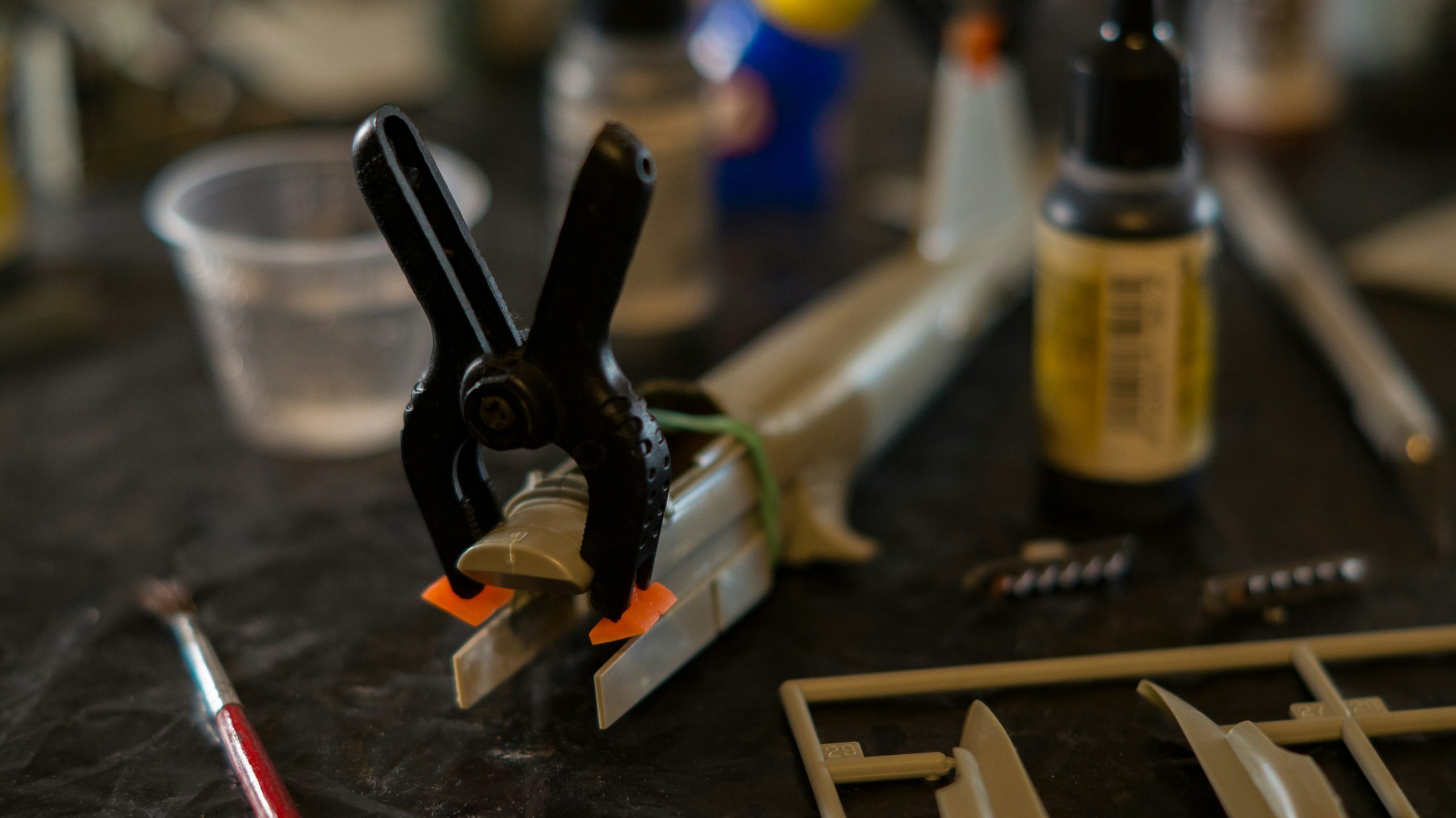
DIY book nooks often involve paint, glue, or resin. A frequent mistake is rushing through the drying and curing process. Applying additional layers or moving pieces before they are fully set can result in smudges, warping, or structural instability.
Tips to avoid this issue:
- Allow each layer of paint to dry completely before adding another
- Let glued components set for the recommended duration
- Avoid handling the scene excessively during drying periods
Patience in this stage ensures a stronger, cleaner, and longer-lasting final product.
Ignoring Material Quality
Using low-quality materials is another common pitfall. Cheap wood, weak adhesives, or poorly pigmented paints may compromise the durability and visual quality of a book nook.
Issues caused by inferior materials include:
- Warping of wooden pieces over time
- Fading or inconsistent paint coverage
- Fragile miniature elements that break easily
Investing in higher-quality components, such as sturdy wood, reliable adhesives, and richly pigmented paints, can make a significant difference in the overall look and longevity of the project.
Conclusion
DIY book nook projects are a rewarding way to combine miniature modeling, painting, and creative storytelling. However, common mistakes can reduce the quality and impact of the final piece. Rushing the planning stage, neglecting accurate measurements, overcomplicating the scene, misplacing lighting, skipping drying or curing time, and using low-quality materials are frequent pitfalls that hobbyists encounter.
Being mindful of these errors and taking steps to address them can help creators produce polished, durable, and visually appealing book nooks. Careful planning, attention to detail, and patience in the assembly process ensure that each miniature scene becomes a charming addition to a bookshelf or display area.