
As the days grow longer and the weather warms up, attention naturally turns to the garden. Keeping children entertained throughout the long summer holidays requires a little planning, but a well- designed play area can provide endless hours of joy. A dedicated space encourages independent play, physical activity, and creativity. Setting up this haven does not require a huge budget or a massive lawn. It simply takes a thoughtful selection of activities and a clear layout to transform a standard patio or patch of grass into a magical retreat.
Choosing the Best Outdoor Toys
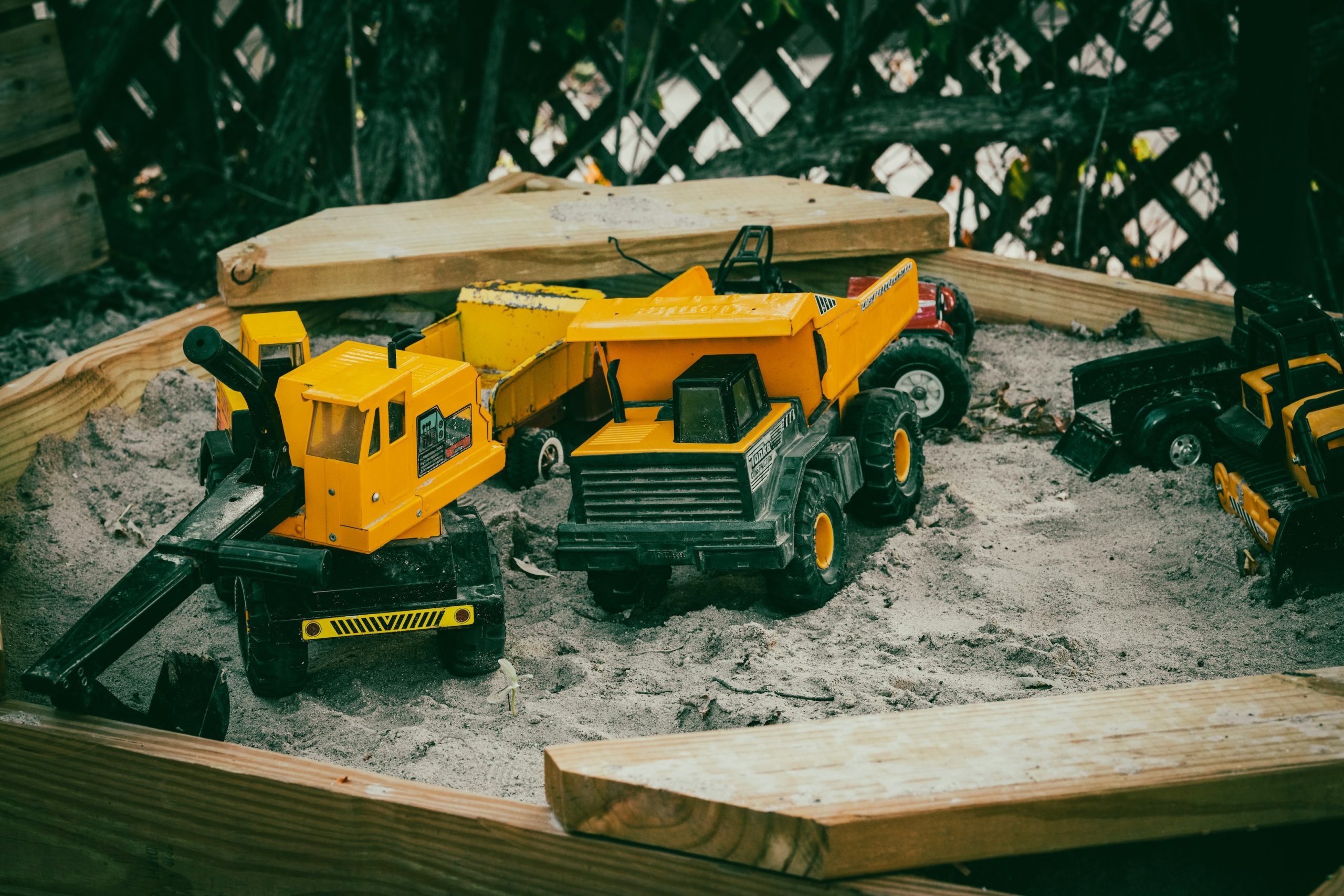
Selecting the right equipment is the foundation of an excellent play area. The best outdoor toys offer open-ended play, meaning children can use them in multiple ways as their imaginations develop. Sandpits and water tables remain firm favourites for younger children, providing vital sensory experiences and an opportunity to cool down on particularly warm afternoons.
For older children, climbing frames or swing sets build strength and coordination. However, simple items like skipping ropes, giant chalks, and bubble wands often bring just as much delight. Storing these smaller items in accessible, weather-proof boxes encourages children to tidy up after themselves while keeping the garden looking neat.
Getting Active with Kids’ Bikes
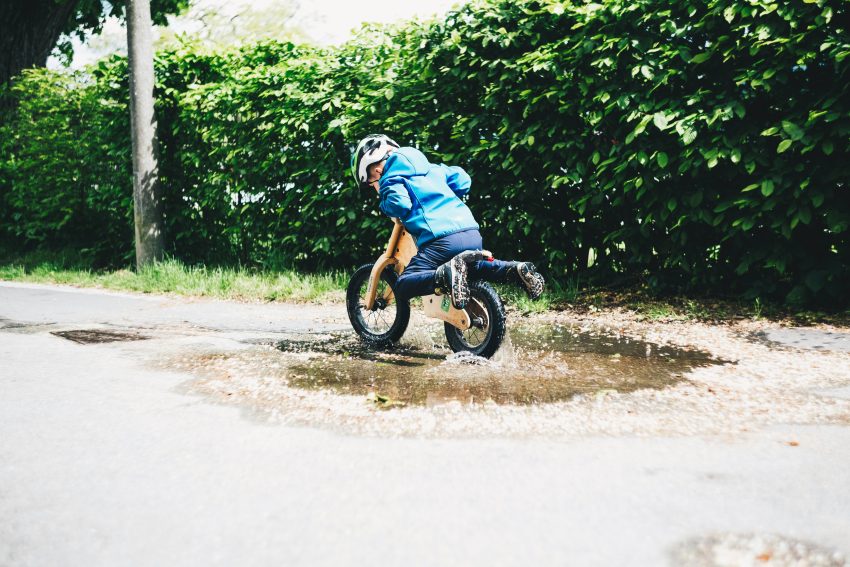
Physical activity is a crucial part of any child’s daily routine. Setting aside a clear, safe path for wheeled activities ensures they can zoom around safely. Kids’ bikes are an essential component of summer fun, offering a wonderful way for children to develop balance and spatial awareness.
When organising the garden, try to create a mini-track or a designated safe zone away from delicate flower beds or outdoor dining areas. This allows children to ride freely without constant adult intervention. Remember to keep helmets and knee pads easily accessible near where the bikes are stored, reinforcing good safety habits from an early age.
Designing Zones for Different Activities
Dividing the garden into distinct zones helps maintain harmony, especially when children of different ages are playing together.
The Messy Play Zone
Designate a specific corner for all things messy. Mud kitchens have surged in popularity, allowing children to mix soil, water, and fallen leaves into creative concoctions. Placing this zone on a washable patio surface or a patch of hardy grass makes cleaning up much easier.
The Quiet Corner
Summer play is not always about high energy. Children need a place to retreat when the afternoon sun is at its peak. A simple pop-up tent, a hammock, or a blanket spread under the shade of a large tree creates a perfect reading nook. Adding a few outdoor cushions and a basket of books provides a calm environment for them to recharge.
Encouraging Endless Summer Adventures
A well-planned garden play space is a gift that keeps giving throughout the warmer months. By combining active elements with spaces for quiet reflection, families can ensure that every day brings a new opportunity for joy. Start by auditing the garden to see what space is available, then slowly introduce new elements that match the children’s current interests. The goal is to create a flexible, inviting environment where they can safely explore, learn, and make lasting memories.