
Every garden project starts the same way, a rough idea and a lot of unanswered questions.
Maybe it’s a nagging sense the garden’s being wasted, or something more specific that’s finally become impossible to ignore, like nowhere to store the bikes or nowhere quiet to actually work. Either way, the hard part usually isn’t the building work. It’s knowing where to begin.
Start with the problem, not the structure
It’s tempting to jump straight to “what should we build” before working out “what are we actually trying to fix.” A project that starts with the end result already fixed in mind, rather than the underlying need, tends to sit unused within a year.
Worth asking, honestly:
- What’s currently annoying about how the garden gets used, or doesn’t
- Is it space, storage, privacy, or something else entirely
- Who’ll actually use the new space, and how often, realistically
- Does it need to work year round, or mostly in summer
Answering these properly saves a lot of second-guessing later, and it usually points fairly clearly toward what kind of structure makes sense.
When the answer is more storage
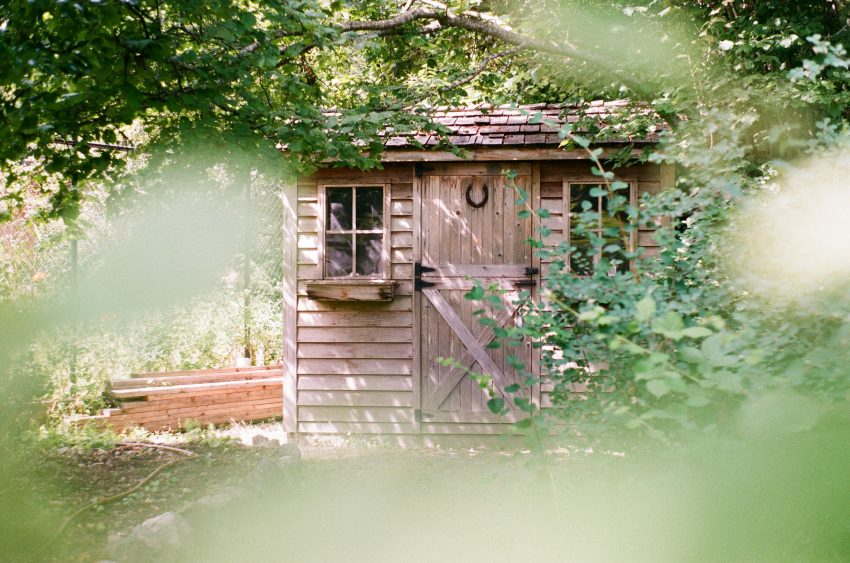
For a lot of households, the honest answer is storage. Bikes leaning against the fence, garden cushions going slightly mouldy under a tarpaulin, tools with nowhere proper to live. This is usually where garden sheds come into it, and it’s often a smaller, simpler project than people brace themselves for.
A well-placed shed does more than tidy things away, too. It frees up space elsewhere, a garage that can fit a car again, or a spare room that stops being where the garden chairs spend the winter.
When the answer is a workspace
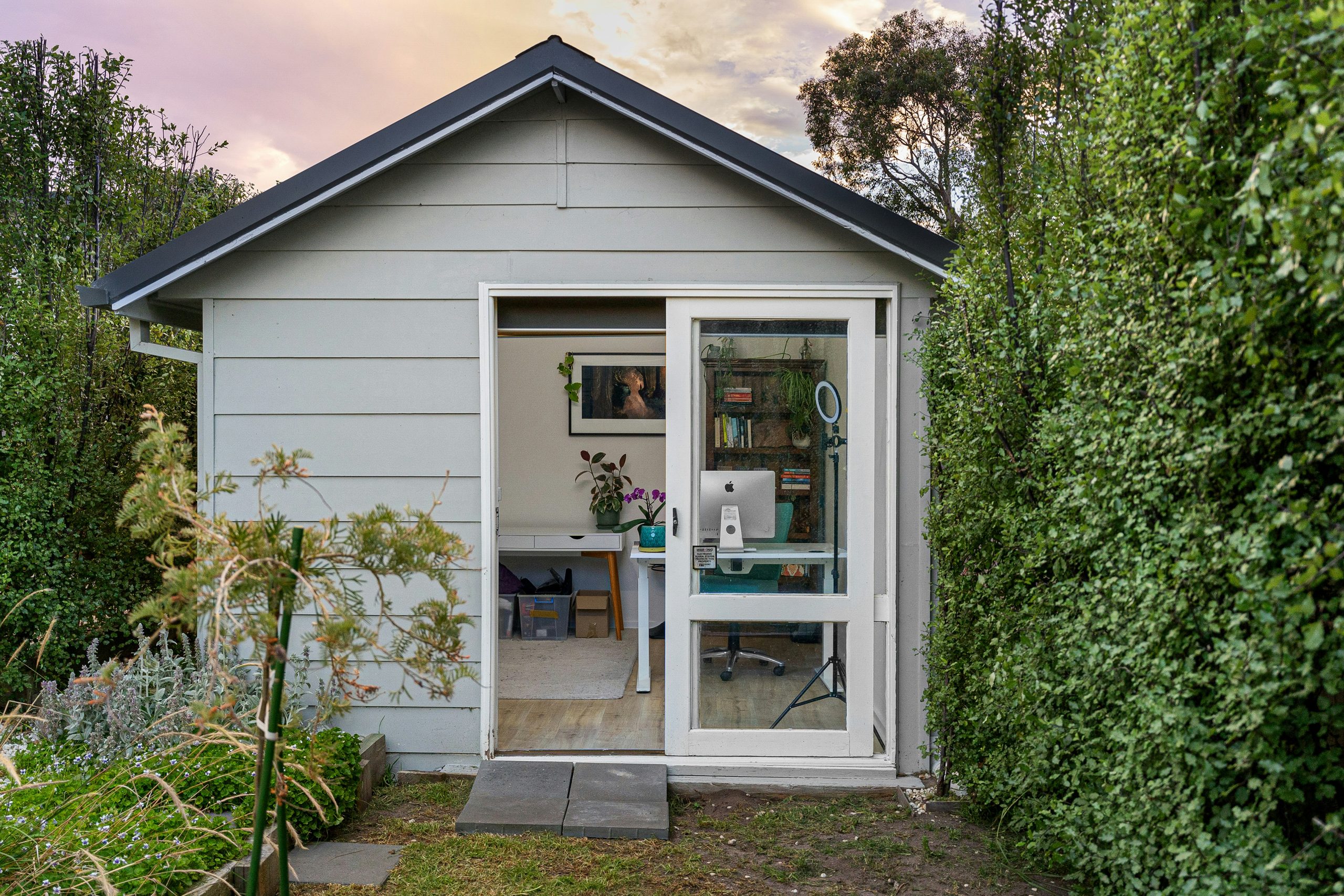
For other households, especially where someone’s working from home regularly, the real gap is a proper place to work that isn’t the sofa or the spare room. This is where a garden studio tends to be the more useful project, rather than another round of rearranging the furniture indoors.
Worth thinking about light, insulation, and how the space feels across seasons, not just how it photographs on a sunny afternoon. A space that’s only comfortable four months of the year ends up being a fairly expensive storage room by October.
Sizing and placement matter more than style
Whichever direction the project takes, size and placement tend to matter more than the finer details of style. Something slightly too small gets outgrown fast, while something placed awkwardly can eat into the bit of garden the family actually uses, a patch of lawn for the kids, or somewhere for the washing line.
Measuring properly, checking any local planning rules, and being honest about how the space will actually be used day to day makes a bigger difference to how happy people are with the result than almost anything else.
Where to actually start
The simplest starting point is walking around the garden and being honest about what isn’t working right now, rather than what would look nice in theory. From there, most projects settle fairly naturally into one of two directions, more storage or more usable space, and both get a lot easier to plan properly once that first question has an honest answer.