
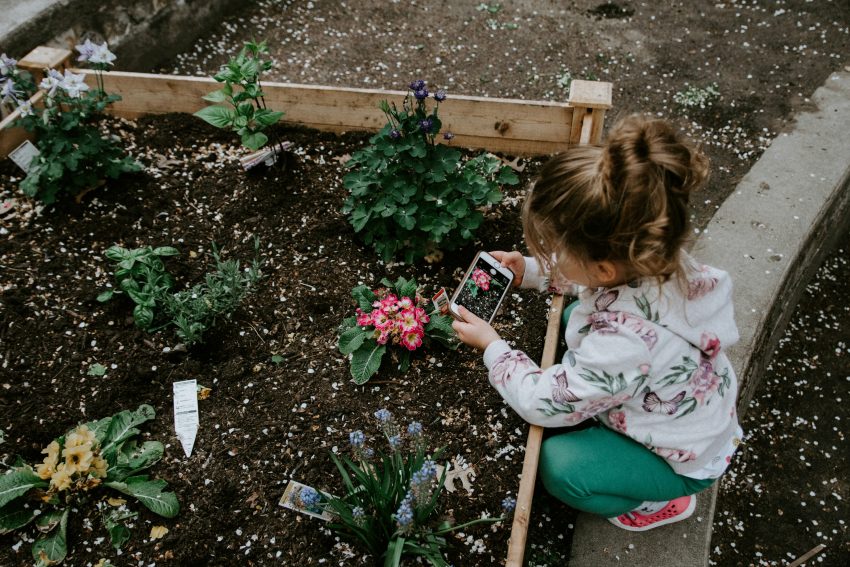
Getting your children into the garden doesn’t need a big plot or a green thumb. A few pots on the patio, a small raised bed, or even a couple of grow bags will do the job. The best part is that kids don’t care about perfect rows or maximum yields. They want to dig, water things and eat something they grew themselves.
That said, it helps to know what you’re doing before you hand over the trowel. We’ll cover everything from first crops and containers to a seasonal calendar so you can plan your planting around the school year.
Pick Crops That Actually Work
The fastest way to lose a child’s interest is to plant something that takes months to show any sign of life. Radishes are the classic starter because they’ll sprout in days and you can pull them up within about four weeks. Lettuce and salad leaves are almost as quick. Kids can just snip what they need with scissors, which they find ridiculously satisfying.
Runner beans are brilliant because they grow fast and tall. Children love watching them climb up a cane wigwam, and the beans keep coming all summer long. Cherry tomatoes and peas are also good picks. Courgettes will produce more than you know what to do with. And peas? Most of them get eaten straight from the pod before they ever reach the kitchen.
Avoid anything that demands a lot of patience at the start. Carrots, for example, are slow to germinate and easy to overwater. Save those for year two once your kids already know the buzz of a quick harvest.
Containers, Beds and Spacing
You don’t need a dedicated allotment. Large pots (at least 30cm wide), grow bags, or a simple raised bed made from untreated timber will all work. Containers are actually better for younger children because they’re at a manageable height and much easier to keep track of.
Spacing matters more than most beginners realise, too. Crowded plants compete for light and water, and they’re more prone to disease. A good rule is to follow the seed packet spacing and resist the urge to squeeze in extra plants. If you’re growing in pots, stick to one tomato plant per large container or three to four lettuce plants per pot.
How to Water Without Overdoing It
Kids love watering. The problem is they tend to love it too much. Overwatering is the number one killer of seedlings, especially in containers where drainage can be limited.
The simplest test is to push a finger into the soil up to the first knuckle. If it’s damp, leave it alone. If it’s dry, give it a water. Morning is the best time because the plants will use the moisture through the day and the soil won’t stay soggy overnight. A small watering can with a rose attachment will help younger children control the flow instead of flooding everything in one go.
Protect Young Plants From Cold Snaps
This is where a lot of early-season sowings go wrong. You plant seeds in March, the weather looks promising, and then a late frost kills everything overnight. In the UK, frost can turn up well into May depending on where you live.
A DIY cloche or cold frame is one of the simplest ways to protect young plants. You can build one using a basic wooden frame topped with a sheet of acrylic greenhouse glazing, which lets light through while keeping the cold out. It’s a fun project for kids too because they can help measure, and they’ll see the difference it makes when their seedlings actually survive a chilly night.
If a cloche sounds like too much effort, even a cut-off plastic bottle placed over individual seedlings will give them a fighting chance. But for a raised bed or a row of pots, something more solid is a better long-term fix.
A Simple UK Planting Calendar
Timing your sowings around the school calendar makes life easier. Here’s a rough guide:
- March to April (Easter holidays): Sow peas, radishes and lettuce indoors or under cover. Start runner bean seeds on a windowsill.
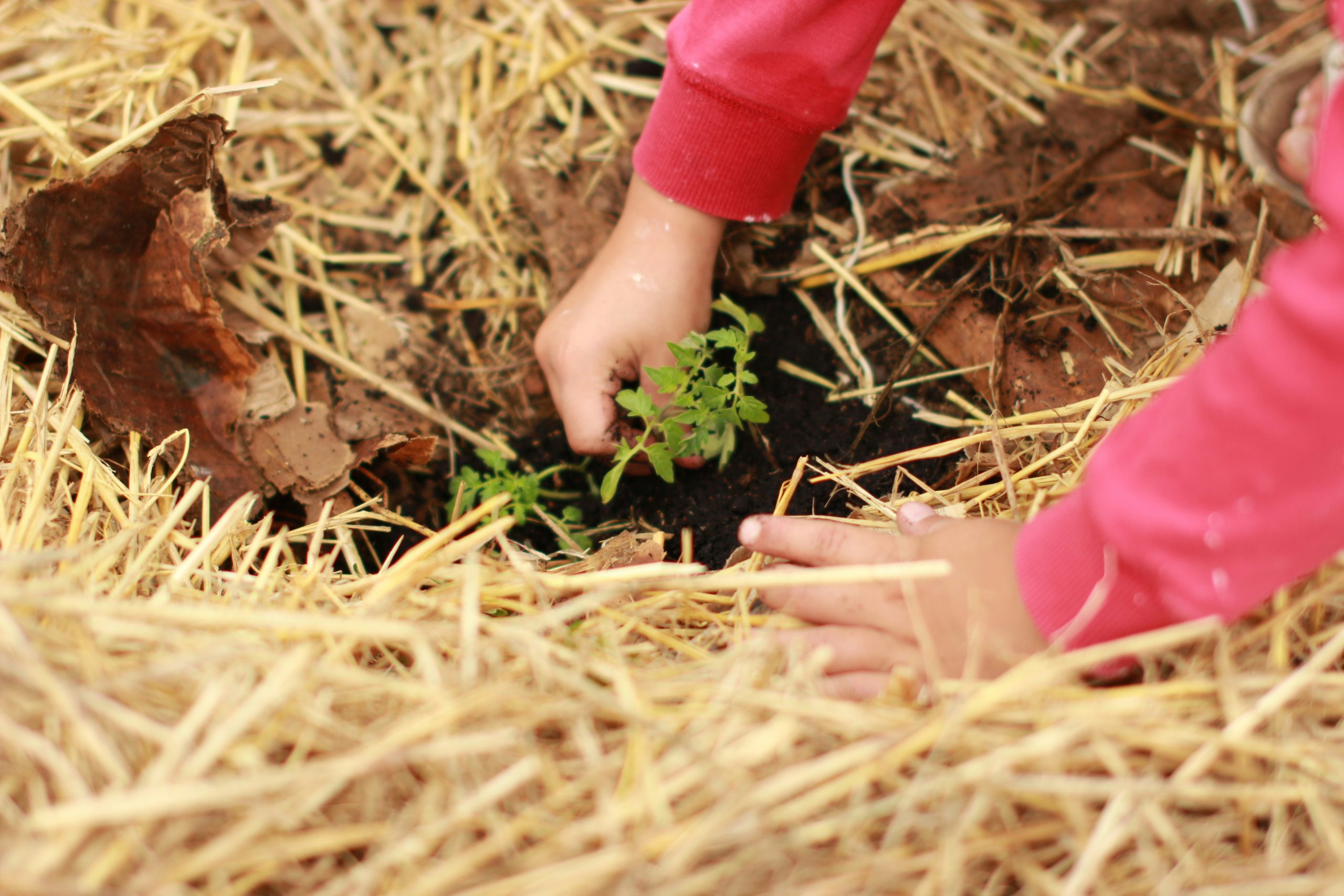
- May (half term): Move seedlings outside after the last frost. Direct sow courgettes, more radishes and salad leaves.
- June to July (summer term): Harvest early crops. Sow a second round of lettuce and radishes for autumn picking.
- September (back to school): Plant garlic cloves and spring onion sets. These will overwinter and give you an early crop the following year.
When Things Die (And They Will)
At some point, a slug will eat an entire row of lettuce overnight. Or a tomato plant will get blight. Or a pot will dry out while you’re away for the weekend. This is all normal, and it’s honestly one of the best lessons gardening can teach children. Not everything works out, and that’s fine.
Talk about what went wrong and what you’d do differently next time. Did the pot need more drainage? Was the plant sitting in too much shade? If you treat failures as puzzles instead of disasters, kids will stay curious instead of getting put off.
Get Them Eating What They Grow
The real magic happens when a child bites into a cherry tomato they grew from seed. Even fussy eaters tend to try things they’ve had a hand in growing. Let them pick their own salad for dinner or pull up a radish and eat it right there in the garden.
If you’ve got a glut of courgettes or beans (and you will), get them involved in simple cooking. Courgette fritters or a quick runner bean stir fry are easy wins that close the loop from seed to plate.
Start Small and Build From There
You don’t need ten varieties and a greenhouse to get going. One or two pots of salad leaves and a wigwam of runner beans will keep most children busy and excited through a whole growing season. The goal isn’t a show garden. It’s muddy hands, a few wonky carrots, and the look on their face when they eat something they planted themselves.