Rising household costs have become an unavoidable reality for families in the UK and around the world. This is especially the case for those with children. From increased food bills to higher energy usage from laundry, cooking and heating, parents often face huge financial pressure when compared to smaller households.
On top of this strain, electricity prices are projected to rise once again in 2026, and even though this is a modest increase (around 0.2%), with wider economic uncertainty to contend with, this is not great news. Of course, there is no one change that can offset any of these pressures, but informed decisions surrounding household appliances and shopping habits can help to make a difference in annual spending.
Understanding Appliance Costs & How to Reduce Them
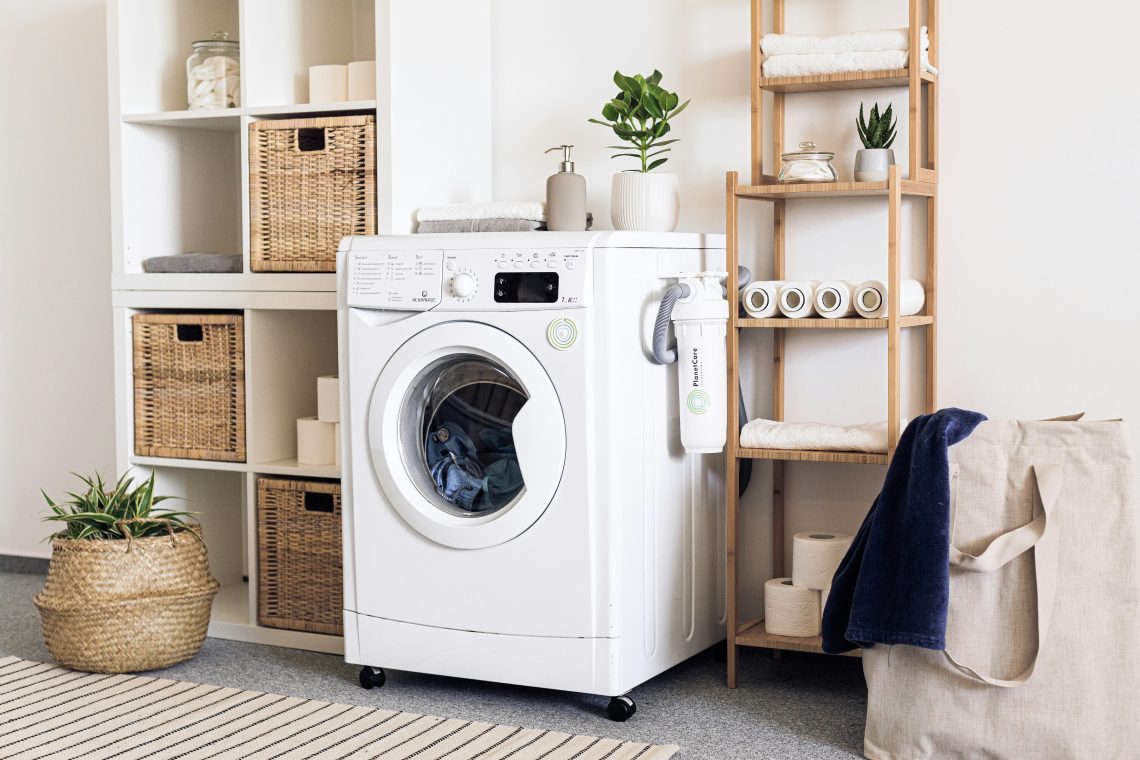
One of the most effective strategies for controlling costs is understanding where household energy is actually being used and how these purchasing choices influence long-term expenses. Large domestic appliances account for a significant share of electricity consumption in family homes. This includes the likes of washing machines, tumble dryers, fridges and freezers, all of which are some of the most energy-intensive.
The reason for this is that they are used frequently and run for extended periods of time throughout the day. For example, a traditional washing machine can cost up to £224 per year to run, while an American-style fridge freezer may consume a lot more electricity than a standard free-standing model due to its size and constant operation. Additionally, not all appliances are equal, either, even in the same category. Condenser tumble dryers, which are found in many homes, use more energy than the newer heat pump tumble dryers. A heat pump model can cost as little as £58 to run each year, which is a huge saving over its lifetime. For families that wash and dry clothes multiple times each week, this difference adds up fast.

Sizing also matters as larger appliances are not always better, especially for smaller families and homes with limited space. A fridge freezer should be chosen to align with the specific needs, and a washing machine should have an appropriate drum size to avoid unnecessary energy use. Energy labels are still useful and should be checked as a comparison tool, but always consider usage patterns alongside efficiency ratings.
Smart technology is increasingly important here too. Smart appliances such as heat pumps and electric vehicle chargers automatically shift energy use to cheaper off-peak tariffs. New UK regulations now require many appliances to be “smart-ready,” which means they can respond to signals from the energy system to reduce demand during peak times. For families, this translates into lower bills without changing daily routines. Over time, such technologies can save households hundreds of pounds a year, while contributing to the estimated UK-wide infrastructure savings of £40-50 billion by 2050.
How to Maximise Value with Smart Shopping
Alongside energy efficiency, the way families shop for appliances plays a role in managing household budgets. Online shopping has become an increasingly practical option for parents, offering the ability to compare specifications, energy ratings and long-term running costs across multiple brands without any pressure. This transparency in shopping supports better decision-making, especially when balancing upfront costs against future savings.
Discount codes and vouchers are often overlooked as part of a wider budgeting strategy, but they can be valuable tools when used carefully. Instead of encouraging unnecessary purchases, they allow families to access higher-quality, energy-efficient appliances at a lower initial cost. This is especially relevant for products designed to deliver long-term value through durability and reduced energy consumption.
Brands like Shark are known for producing appliances that emphasise performance and efficiency, thus illustrating how quality and cost control do not have to be mutually exclusive. Appliances in this category are often positioned as long-term investments rather than disposable purchases. With such opportunities for Shark available on Discoup.com/uk, it is easy to offset the higher upfront price typically associated with better energy performance and quality.
For parents managing a tight budget, this approach helps them to move away from repeatedly buying cheaper, less efficient appliances. Instead, savings from discount codes can be reinvested in products that reduce running costs over time. Of course, the focus is on value rather than volume. So, voucher codes must be combined with careful evaluation of the appliances to help ease the financial burden faced by families with children for the longer term.






One of my friends has just stopped using their dishwasher due to costs, I’ll have to share this with them.