Herringbone flooring continues to hold a strong place in British interiors because it offers structure without feeling rigid. The repeating zigzag layout introduces order while still adding visual movement, making it suitable for both traditional homes and contemporary spaces. Unlike plain flooring, herringbone creates interest at floor level, which helps anchor a room visually.
In Manchester properties, oak herringbone often highlights heritage features while improving how light moves across smaller rooms. In modern flats, carpet or luxury vinyl herringbone supports open-plan layouts by visually connecting adjoining spaces without the need for walls or dividers. The pattern works quietly in the background, supporting furniture and layout rather than competing with them.
Another advantage lies in adaptability. Herringbone flooring suits narrow hallways, compact living rooms, and larger shared areas alike. Diagonal lines help extend sightlines, making rooms feel wider or longer. In larger spaces, repeated blocks prevent floors from appearing empty or unfinished, especially when minimal furniture is used.
Why Herringbone Patterns Stand the Test of Time
Herringbone layouts have deep roots in British residential design. Victorian and Edwardian homes often featured parquet herringbone floors, many of which remain visible today. Their continued presence reflects both durability and lasting aesthetic appeal.
Restoration projects across the UK often focus on preserving original herringbone floors, particularly in Victorian and Edwardian homes where parquet remains a defining feature. Where restoration is not possible, homeowners recreate traditional layouts using modern materials, reflecting a wider interest in classic parquet flooring styles that continue to suit contemporary living while respecting historical design principles.
The visual rhythm created by herringbone differs from straight plank flooring. Each block catches light differently as the day progresses, adding subtle variation without introducing strong contrast. This quality helps rooms feel layered and considered rather than static.
In smaller spaces, the angled arrangement helps reduce a boxed-in feel. Narrow hallways, compact lounges, and smaller bedrooms benefit from the way the pattern draws the eye outward, creating a more balanced sense of proportion.
Choosing the Right Herringbone Flooring for Family Homes
Material selection plays a central role when introducing herringbone into a family home. Solid wood offers a traditional look and long lifespan but requires careful maintenance and can respond to moisture and temperature changes. This makes it better suited to controlled environments such as living rooms or bedrooms.
Engineered wood provides greater stability, especially in the UK’s damp climate, while maintaining the appearance of natural timber. This option suits households seeking a balance between aesthetics and practicality.
Luxury vinyl herringbone has become increasingly common in busy homes. Its resistance to water, scratches, and everyday wear makes it suitable for kitchens, hallways, and open-plan spaces. Carpeted herringbone offers a different set of benefits, including warmth, sound absorption, and comfort underfoot. Families updating multiple rooms often opt for Herringbone pattern floors in carpeted areas, where consistent design, softness, and thermal comfort matter most for shared living spaces.
Sustainability also influences decision-making. FSC-certified wood, recycled vinyl content, and natural wool blends allow households to consider environmental impact alongside durability and comfort.
Traditional vs Modern Herringbone Variations
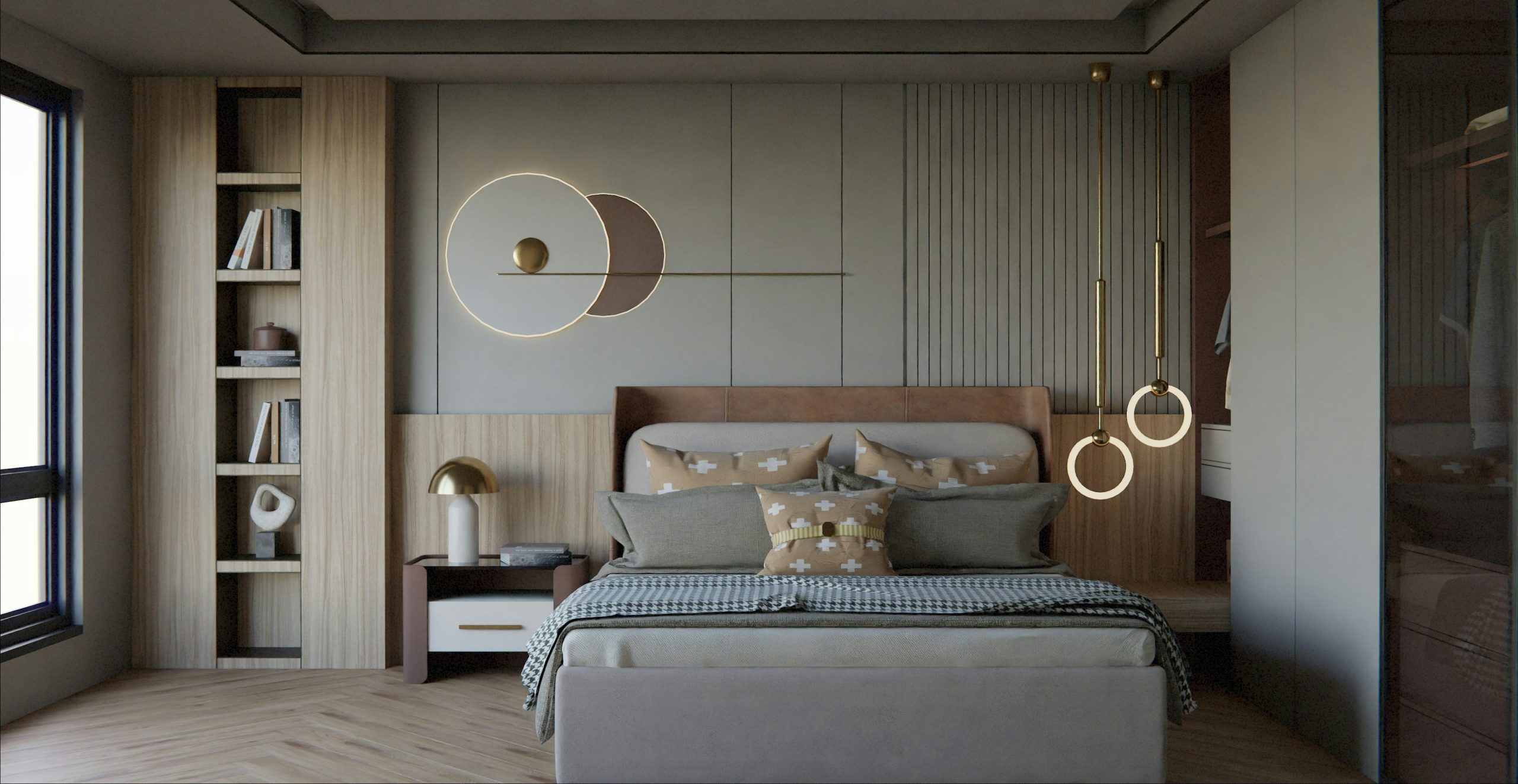
Classic herringbone uses uniform rectangular blocks laid at right angles, forming a clean zigzag pattern. Modern variations adjust scale and proportion to suit different room sizes and interior styles.
Wider blocks create a stronger visual presence, often chosen for larger rooms or open-plan layouts. Narrower blocks offer a refined appearance that works well in smaller spaces or properties with period detailing.
Material choice affects both cost and long-term performance. Luxury vinyl options offer a lower-maintenance entry point, while engineered and solid wood involve higher upfront investment and professional installation.
Understanding the differences between types of wood flooring helps homeowners assess how structure, stability, and upkeep influence which herringbone variation best suits their space, budget, and daily use.
Practical Installation Considerations
Herringbone installation requires careful preparation. Subfloors must be level, clean, and dry to maintain pattern accuracy. Wood products should acclimatise to indoor conditions before fitting to reduce the risk of movement after installation.
Pattern direction plays an important role in room perception. Aligning the herringbone parallel to the longest wall often enhances width, while diagonal placement introduces a more dramatic effect. Diagonal layouts typically require additional material due to increased cutting.
Precision is essential when installing herringbone floors, as small alignment errors can become more visible as the pattern progresses. Understanding wood floor installation basics helps ensure subfloors are properly prepared, materials are acclimatised, and pattern lines remain consistent across the space.
Styling Rooms Around Herringbone Flooring
Furniture selection influences how herringbone floors are perceived. Pieces with visible legs allow more of the pattern to remain visible, helping the design read clearly across the room. Curved furniture contrasts well with the angular layout, softening the overall look.
Colour coordination also matters. Neutral wall tones often provide a calm backdrop that allows the pattern to stand out without overpowering the space. Stronger colours work best when balanced with lighter herringbone finishes, where thoughtful interior colour combinations help maintain visual clarity and cohesion across the room.
Rugs can be used selectively to define seating areas without hiding the flooring entirely. In carpeted herringbone rooms, varied textures rather than additional layers help maintain clarity in the pattern.
Room-by-Room Applications
Living rooms benefit from herringbone’s ability to add structure while supporting multiple functions. The pattern provides visual interest without distracting from seating arrangements or media units, making it a strong choice for homes that favour timeless interior patterns over short-lived design trends.
Kitchens and dining areas often rely on vinyl herringbone for durability and ease of cleaning. The pattern helps disguise minor marks from chair movement or everyday spills.
Hallways serve as natural showcases for herringbone flooring. These transitional spaces benefit from the pattern’s directional flow and ability to mask wear. Diagonal layouts in narrow hallways can visually widen the space.
Bedrooms and nurseries gain warmth and comfort from carpeted herringbone. In children’s rooms, the pattern offers a surface suitable for play while maintaining a design that remains appropriate as tastes change.
Herringbone flooring continues to endure because it balances visual interest with everyday practicality. Across different materials and room types, the pattern supports comfortable living while adding structure and depth to interior spaces.
For homes seeking a flooring choice that feels both timeless and adaptable, herringbone remains a considered solution that works with changing lifestyles rather than against them.






Such a classic floor design