The Power of Art: How Creativity and Self-Expression Influence Mental Health and Emotional Well-Being
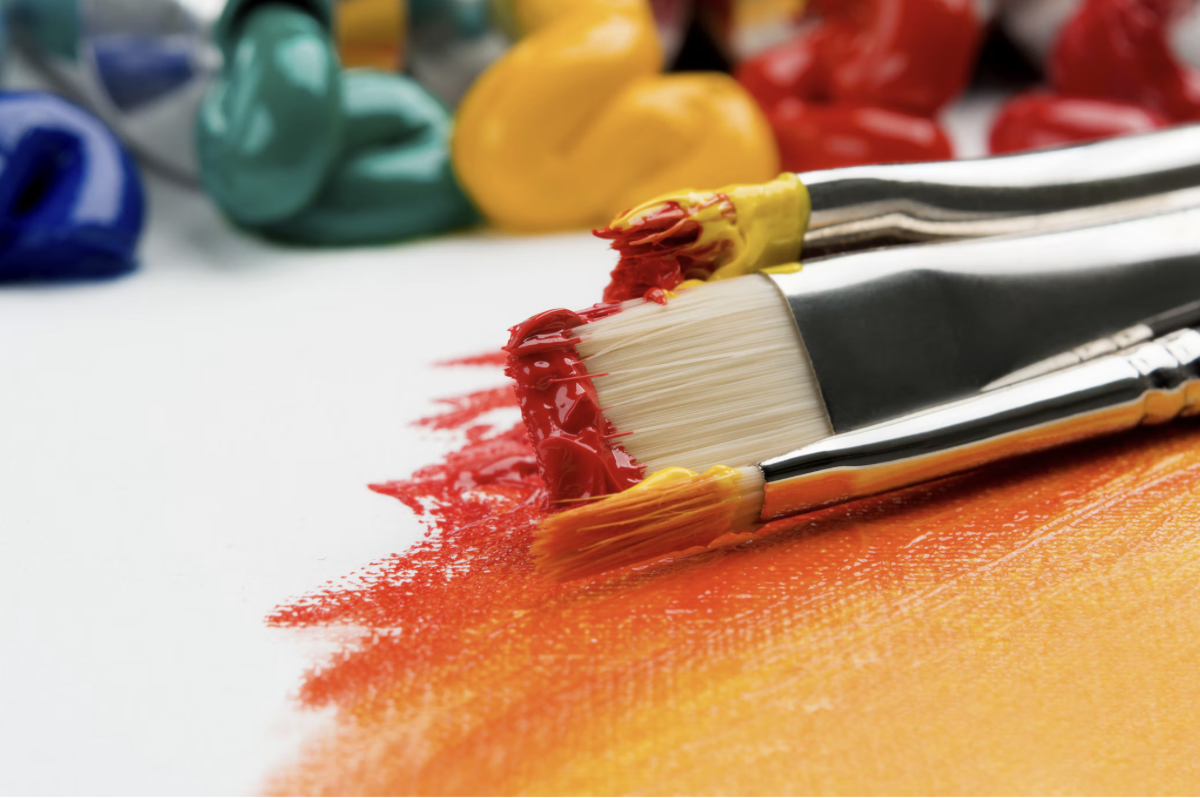
Have you ever doodled during a long phone call, hummed a tune while cooking, or felt lighter after writing down your thoughts? Without noticing, you were using art to care for your mind.
Many people think art is only for talented people, so they never try it. But you do not need skill or special tools to benefit from creativity. Simple acts of self-expression can ease stress, help you understand your feelings, and bring more joy to daily life. In this article, you will learn why creativity matters, how it affects your emotions, and easy ways to begin.
Why Creativity Matters for Mental Health
Art is a way to express feelings and thoughts without needing perfect words. A color, a melody, or a few messy lines can say more than a long explanation.
Creativity is for everyone, not only artists. What matters most is the process, not the result. Trying a new creative skill also builds curiosity, confidence, and self-understanding.
Reflection: When did you last make something just for fun?
How Art Affects the Mind and Emotions
Creative activity can lower stress and help the mind slow down. When your hands are busy with a pencil, a brush, or clay, your thoughts often grow quieter.
Art also gives shape to feelings that are hard to say out loud. If you cannot find words for sadness, worry, or excitement, you can draw it, write it, or play it. Seeing a feeling outside of yourself can make it easier to understand.
Another gift of creativity is focus. Psychologists call it flow, the feeling of being so absorbed that time seems to melt away. In this state, daily worries step back for a while. Making something also builds confidence, and it can help you process hard times such as loss or change.
If you enjoy learning in small steps, https://myoverwell.com/ is a microlearning app with short lessons that help you gain new skills and understand yourself and the world around you a little better.
Art can support your well-being, but it does not replace professional care.
Many Ways to Express Yourself
There is no single path to being creative. Drawing and painting let you play with colors and shapes. Writing and journaling give your thoughts a place to land. Music and movement can mean singing, playing, dancing, or simply swaying to a favorite song. Crafts such as knitting, clay, or collage keep your hands busy and your mind at ease.
Photography invites you to notice beauty in everyday moments. Even creative cooking and gardening count, because they mean making something with care. There is no wrong way to be creative.
Simple Ways to Start, Even If You Feel Not Creative
Start small. Five minutes is enough, and a short session is easier to repeat. Try this today: set a timer and doodle until it rings.
Let go of perfection. Focus on how making something feels, not how it looks. Try this today: draw something badly on purpose and enjoy it.
Create a small creative corner. A notebook and a few pens make it easy to begin.
Use prompts when you feel stuck. A color, a feeling, or a single word can open the door. Try this today: write for three minutes about the word “light.”
Link creative time to something you already do, such as sketching with your morning tea. You can also create with others in classes, clubs, or online groups.
Reflection: Which small creative step feels easiest for you?
Using Art to Understand and Release Emotions
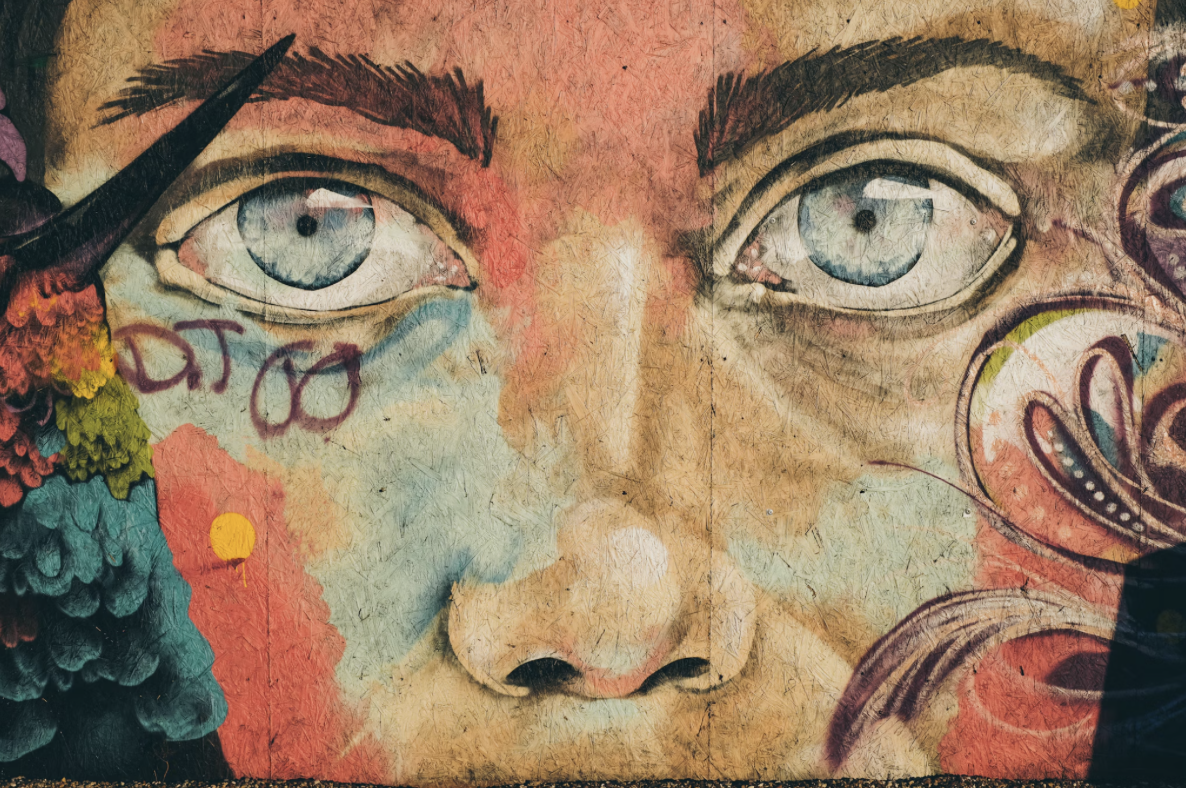
Art can help you understand what is going on inside. Instead of explaining how you feel, try drawing or writing it. A dark scribble can show anger, and a soft wash of blue can show calm. You do not need to make sense of it right away.
Choose colors or music that match your mood. Turning a hard feeling into an image, a song, or a few lines can make it lighter to carry.
When you look at your work, be curious instead of critical. Ask what the shapes, words, or colors seem to say. Even two minutes of sketching can give your mind room to breathe during a stressful moment.
Common Mistakes to Avoid and When to Ask for Help
Some habits get in the way of creative joy. Comparing your work to others, waiting for inspiration, and judging yourself harshly can stop you before you begin. Expecting a masterpiece sets the bar too high, and giving up too early hides the benefits that come with practice.
Sometimes creativity is not enough on its own, and that is okay. Reach out to a professional if low mood or anxiety lasts for weeks, if daily life feels hard to manage, or if you have hopeless thoughts. Doctors, therapists, counselors, art therapists, and support groups can all help. Asking for help is a sign of strength. If you ever feel unsafe or think about harming yourself, contact your local emergency or crisis service right away.
A Simple Creative Check-In
Keep this short guide for days when you need a pause. Take a few minutes for yourself, pick one tool, and create without judging. Notice how you feel afterward, and keep whatever brings you joy.
Final Thoughts
Creativity is a simple, gentle way to care for your mind, and everyone can do it. You do not need talent or expensive tools. You only need a few quiet minutes and a willingness to try.
Be patient with yourself and stay curious. Some days your work will feel full of life, and other days it will feel plain. Both are part of the process.
This week, spend five minutes on a creative activity. Then share your favorite way to express yourself in the comments, because your idea may inspire someone else.