Modern gift shopping for children often feels predictable. Shelves are lined with brightly packaged plastic items that promise excitement and deliver it briefly. Screens compete from every direction. After a few days, many of those gifts sit unused.
At the same time, there is a growing awareness among parents that what children lack is not entertainment, but movement. Space to explore. Opportunities to test themselves physically. A well-made children’s bike addresses that gap in a direct way. It is not consumed and forgotten. It becomes part of daily life, gaining relevance as ability improves.
Models created for early riders show how a gift can carry long-term value rather than short-term novelty. Both 12 inch bikes and bikes for kids from 2 to 4 years old are designed with that same intention – to remain relevant as skills develop and to support progress beyond the first few rides.
Why active gifts outperform passive ones
Active gifts demand participation. That alone changes their impact.
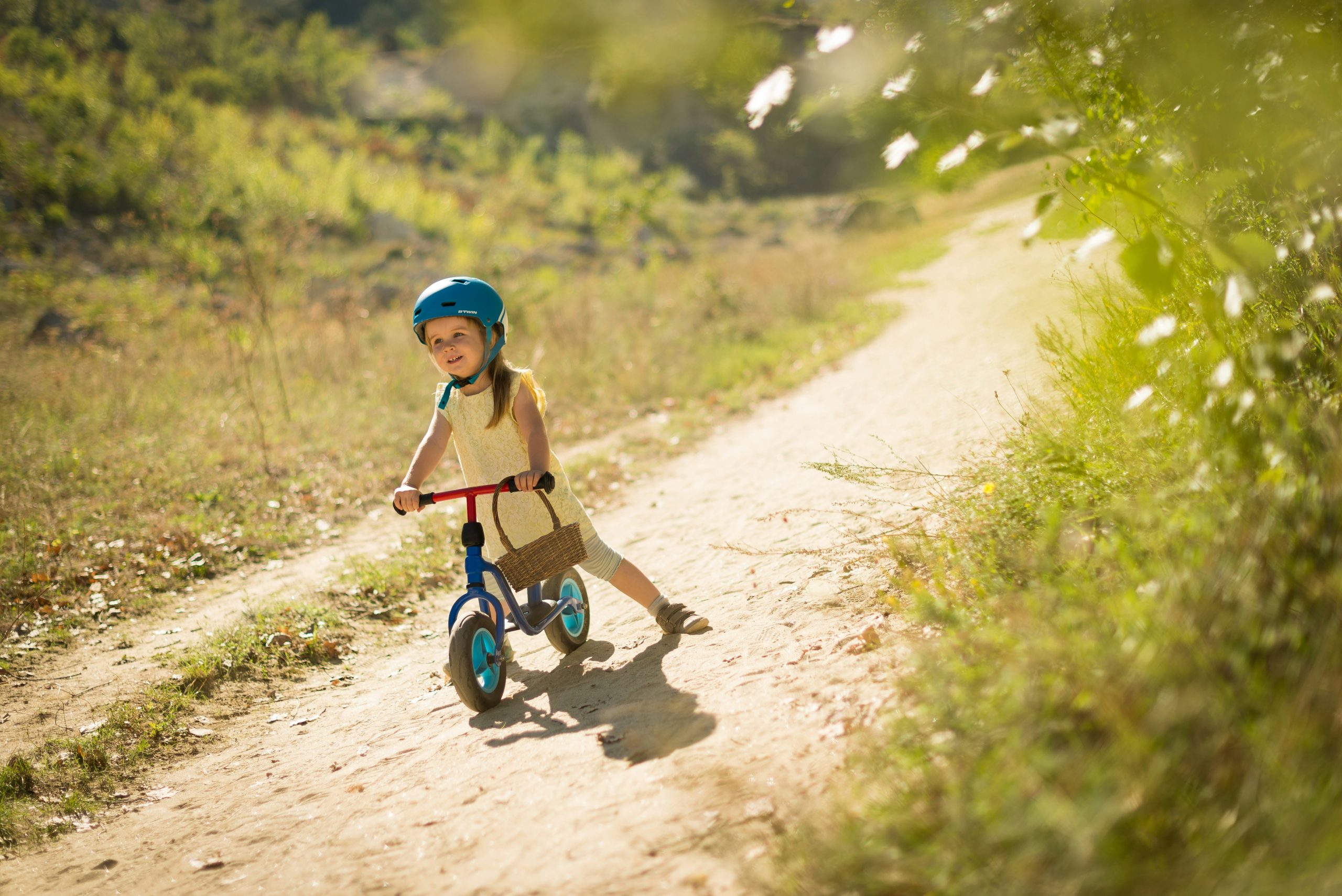
Physical play strengthens coordination and balance in ways that cannot be replicated through sedentary activities. Regular movement supports focus during quieter tasks later in the day. Children who expend energy outdoors often settle more easily in the evening. This is particularly evident when young riders begin practising on appropriately sized bikes, where control and stability are closely matched to their stage of development.
Passive toys tend to rely on novelty. They offer immediate stimulation, then gradually lose appeal. A bike operates differently. It does not perform for the child; the child performs with it. Each ride involves decision-making – speed, direction, control. The experience evolves because the rider evolves.
There is also an emotional layer. Movement outdoors introduces manageable risk and small, repeatable successes. That process supports emotional regulation over time. The child learns to adjust, correct, and continue. A flashing toy cannot replicate that pattern.
The long-term value of a quality bike
Few toys increase in importance after purchase. A bicycle often does.
In the early weeks, it represents effort and concentration. Months later, it becomes transport around the neighbourhood. Many families begin that journey with12 inch bikes, marking the first real step toward independent movement.
Adjustable seats and handlebars allow the same frame to remain useful as height changes. In many homes, a durable bike does not leave the household when outgrown – it moves to a younger sibling.
The value also extends beyond the object itself. Skills developed while cycling persist. Balance improves. Awareness of surroundings sharpens. Basic understanding of safe movement in shared spaces begins to form. These are foundations, not temporary gains, especially when children begin learning on bikes for kids from 2 to 4 years old designed for early development.
How cycling supports the whole child
Cycling engages multiple aspects of development at once. Muscles strengthen gradually through repetition. Endurance builds without structured training. Coordination improves because the body must work as a unit.
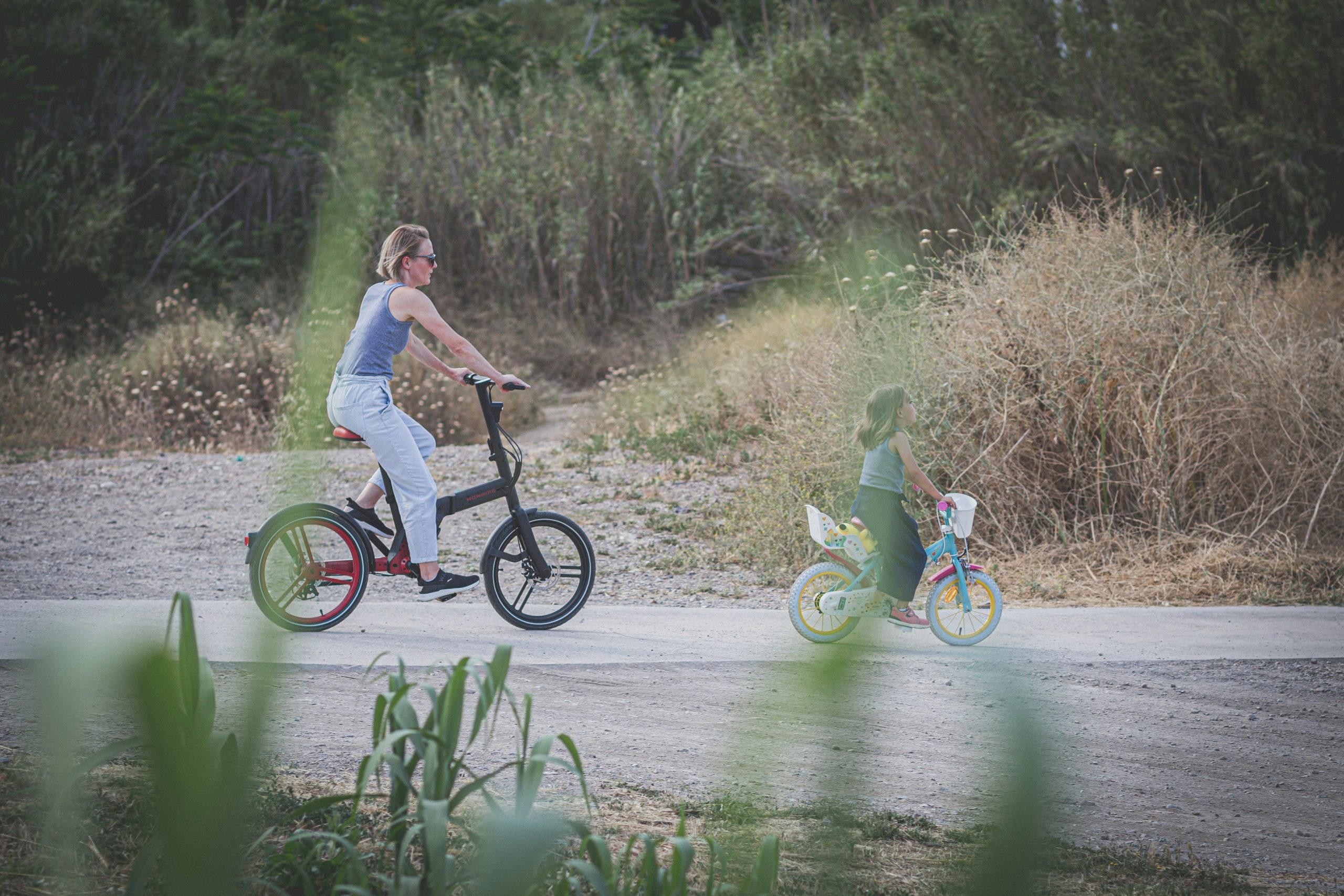
Mentally, riding independently creates a sense of control over space. A child understands distance in practical terms. They learn timing, braking, awareness of others nearby. This contributes to confidence that is not abstract, but earned.
Socially, cycling expands participation. A child who can ride keeps pace with siblings or friends. They join rather than watch. Shared movement creates shared experiences, which strengthens social connection.
There is also environmental awareness. Moving through local streets or park paths encourages attention to surroundings. Regular cycling makes outdoor travel familiar. Over time, active movement becomes normal rather than occasional.
Making it a gift the whole family enjoys
A child’s bike rarely benefits only the child.
It shifts family routines. Short outings become rides together. Weekends include local exploration instead of indoor distractions. The bike becomes a reason to leave the house without elaborate planning.
When selecting a gift, it helps to consider duration rather than reaction. A bicycle is not simply a purchase tied to an occasion. It is an investment in movement, shared time, and long-term independence. Parents who want to explore suitable options for young riders can check Bobbin Bikes website additional guidance. In households where many toys lose relevance quickly, that distinction becomes clear.


Cycling is a very important skill. You have inspired me to get my bike out and get cycling