
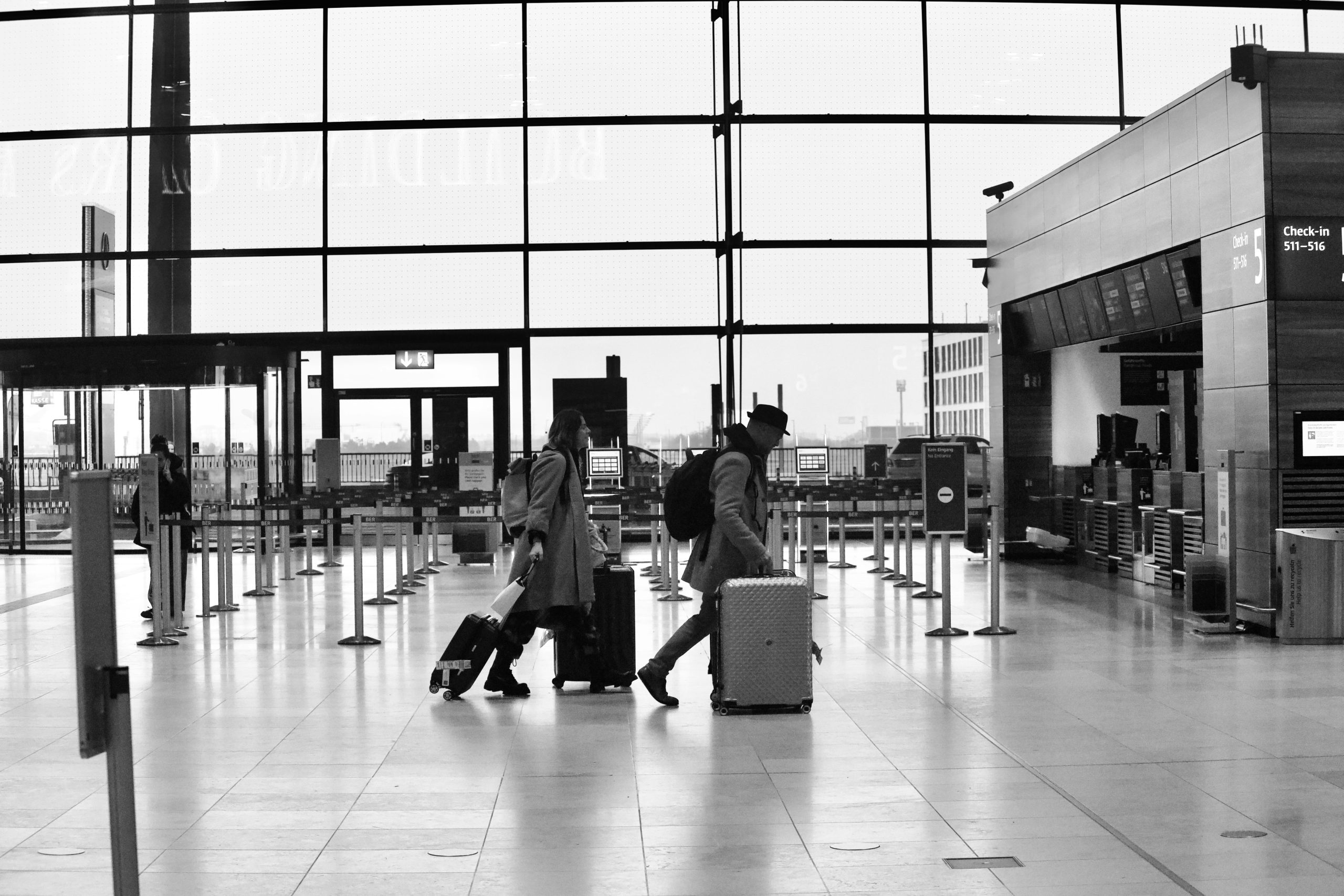
The planning involved with taking a family vacation involves coordinating many different aspects including your flights, accommodations, school schedules and travel documents. Most parents book their trips well in advance to accommodate family vacations and to get the best rates. If you experience a flight cancellation, all of those plans you made, can quickly turn into chaos. By knowing your rights as a traveler, and having a plan in place, will greatly reduce the stress associated with a flight cancellation, and will allow your family to better handle the disruption.
Why Flight Cancellations Have a Greater Impact On Families
Unlike traveling alone or for business purposes, traveling with children creates many more logistical challenges. Parents usually bring many more bags (luggage, stroller, car seat, etc.) and other equipment for the children’s entertainment during the flight. When a flight is canceled, this can result in hours at the airport waiting, an unplanned overnight stay or a change in accommodations.
Additionally, due to school schedules, child care and pre booked activities, families have much less flexibility in their travel plans. Therefore, when flights are canceled just prior to departure, families will typically need to re-coordinate every part of their trip at the same time. While airlines may offer travelers a re-booking option, the first available flight may not be until the next day. For families with young children, long waits and extended layovers can be especially draining. The knowledge of passenger rights under aviation regulations can give travelers the confidence to take action.
Air Passenger Rights Under European Aviation Regulations
Air passenger rights in the UK and EU are primarily governed by Regulation EC 261. This regulation outlines the obligation that airlines have to passengers in the event of flight cancellations or significant delays.
In the case of a flight cancellation, airlines are generally obligated to provide passengers with one of the following three alternatives. Passengers can either accept a full refund for the ticket cost; re-book on the next available flight; or travel at a future date that is acceptable to the passenger. In addition to these alternatives, airlines are also responsible for providing assistance to passengers who are left stranded at an airport. Such assistance can include provision of food and beverages, as well as lodging if an overnight stay is necessary.
Families traveling with children may find it beneficial to know these rights prior to departing on their trip. As parents are able to communicate with airline staff more effectively with this information, they can ensure that their children receive the assistance to which they are entitled.
Having access to information about air passenger rights, and the procedure to claim a flight cancellation refund will aid travelers in determining whether compensation or reimbursement is applicable to their particular situation.
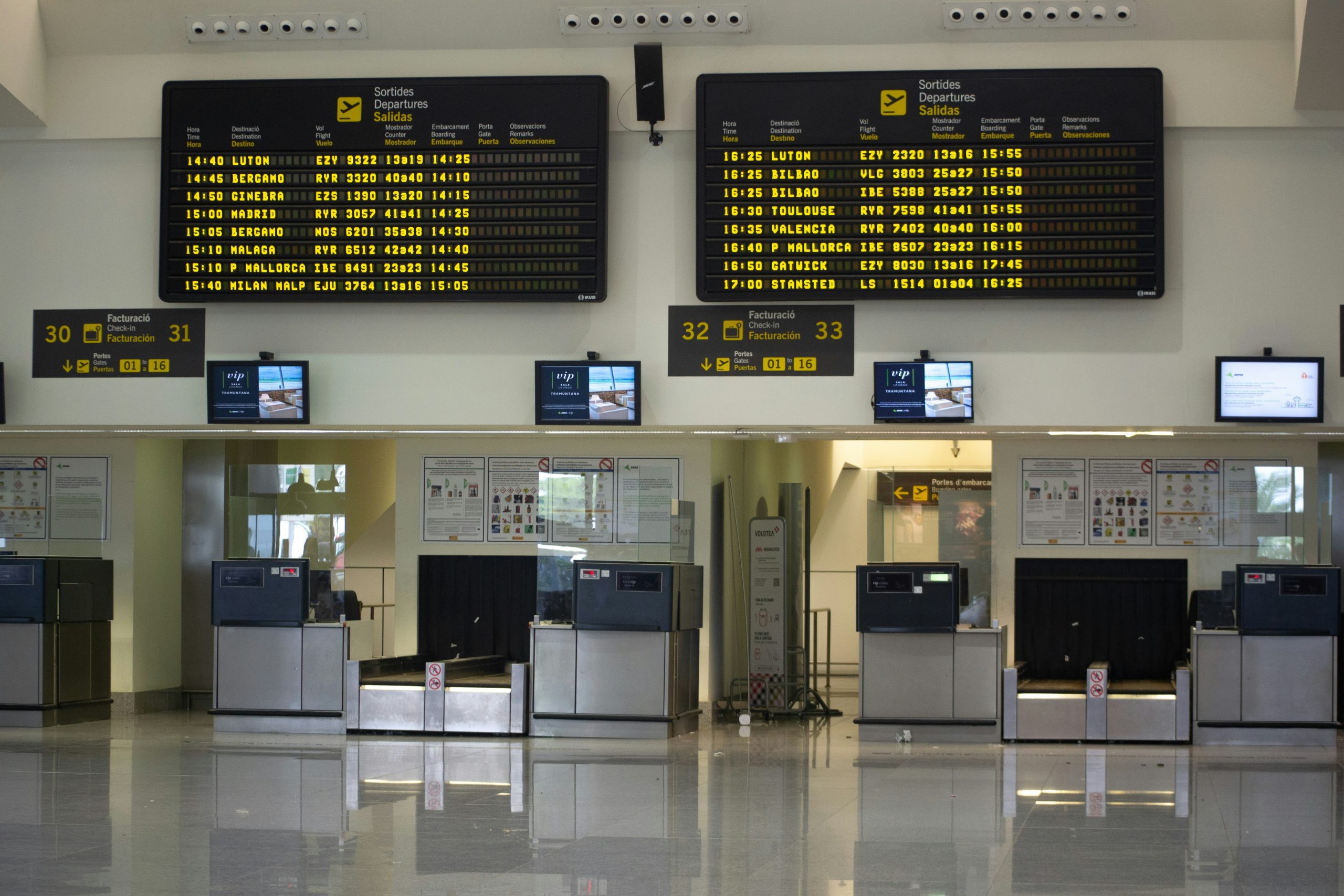
Preparation for Potential Disruptions
While flight cancellations are unpredictable, there are measures that families can take to make the experience of dealing with a cancelled flight easier to manage. Families traveling with children may want to pack essential items in carry-on baggage. These items could include snacks, medication, spare clothing and small toys to keep children occupied if delays occur.
Another area to consider is travel insurance. Some types of travel insurance can provide coverage for accommodations, missed connections and additional transportation costs resulting from a flight disruption. Prior to traveling, parents may also want to review airline policies concerning cancellations and re-booking procedures.
Technology can also aid in dealing with disruptions. Mobile applications provided by airlines can provide up-to-date information concerning flight status and gate assignments. The application can send notifications to travelers about flight cancellations earlier allowing them to research alternative flights.
Finally, families may want to maintain digital copies of their booking confirmation, boarding passes and identification documents. Having these documents readily available will make communication with airline representatives easier if travel plans are altered suddenly.
Dealing with Long Waiting Periods at the Airport
Airports can be chaotic when several flights are canceled. Families with children will likely need to develop strategies to deal with extended wait times while keeping the children safe and comfortable. Many large airports now have designated family-friendly areas that include play spaces, quiet areas and family lounges.
Travelers with children may find it helpful to identify these amenities upon arrival at the airport. Allowing children to walk around and move around, as opposed to sitting for an extended period, can be beneficial. Travelers with children may also want to bring along games, books, or portable electronic entertainment devices to pass the time.
During disruptions, continued communication with airline staff is key. Service counters for airlines will provide updated information on re-booking options and available assistance. Staying calm and asking clear questions often results in faster resolutions.
If accommodations are needed due to overnight delays, airlines may provide a hotel reservation or voucher. Travelers should document all receipts for additional expenses incurred, as these may be required when filing claims at a later date.
Maintaining a Positive Experience for Children During Travel
Disruptions can be stressful for adults, however children can be even more reactive to deviations in routine. Parents may want to use simple language to describe the situation and reassure their children that their travel plans will resume once the current issues are resolved.
In addition to explaining the situation, parents may want to look at the delay as an opportunity to make the experience a fun adventure. Viewing an extended delay at an airport as an opportunity to view aircraft movement, visit an airport viewing deck, eat a meal together, etc., can help alleviate tension during the wait.
Lastly, building some buffer time into the schedule of your travel plans may reduce the level of stress. Traveling to your destination a day early can provide you with more flexibility if you encounter any disruptions during peak travel times.
Air travel continues to remain one of the fastest and easiest ways for families to travel to new destinations and spend quality time together. When parents are aware of their rights, prepare for potential disruptions, and are knowledgeable during their travels, dealing with unexpected cancellations can be managed more efficiently. Understanding the processes for refunds, re-booking and passenger assistance can enable families to navigate disruptions with greater confidence, and protect their travel plans.


We had compensation when we were delayed at San Francisco last year. Greta advice on the blog post .